
Roasting in CVap
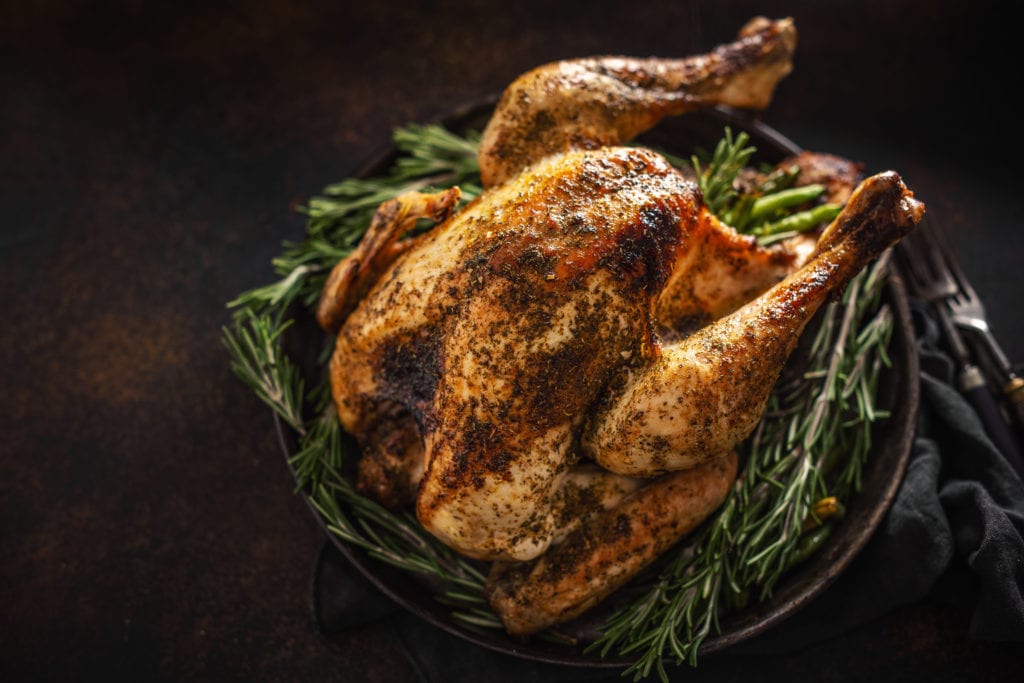
CVap® ovens were initially designed as roasting ovens (though they have come a long way since their inception). Consequently, CVap ovens are perfect for roasting. The CVap advantage is that cooking takes place below the temperature of collagen shrink. Those tough connective collagen fibers contract at higher temperatures, but low, slow cooking in a CVap oven dissolves them, making even the toughest cuts tender. This makes it possible to get the desirable effects of roasting without the collagen shrink that squeeze juices out of meats. CVap technology maintains juiciness, making the results succulent, tender, and delicious.
CVap Roasting Equipment
- All
- CHV5
- CHV7
- RTV5
- RTV7


What is roasting?
Roasting is a cooking method that involves cooking food in an oven or over an open flame. It is traditionally a dry-heat cooking technique for larger cuts of meat, poultry, and vegetables. The process involves exposing the food to direct heat. The heat is usually applied from all sides, resulting in a caramelization of the surface and a flavorful, browned exterior.
how does
CVap Roasting work?
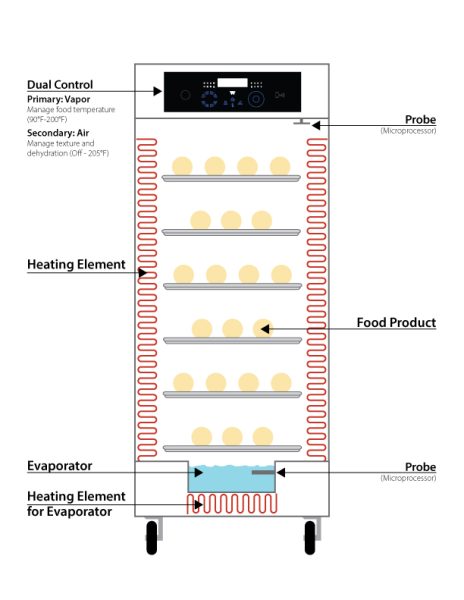
CVap ovens are inherently different. Rather than blasting away with high temperatures, CVap ovens cook at relatively low temperatures (maxing out at around 200°F (93°C) vapor temperature and 350°F (177°C) air temperature. CVap ovens utilize a dual air/vapor heat system to achieve the ideal aesthetics one expects from traditional roasting, with the added benefits of incredible tenderness and better yields.
There are guidelines for different kinds of foods. An excellent source for safe doneness temperatures can be found on the foodsafety.gov website.
Temperature
Roasting is traditionally done at higher temperatures, typically ranging from 300°F (150°C) to 450°F (230°C) or even higher. The high temperature helps create a crisp and golden exterior while sealing in the food’s juices.
Caramelization
As the food is exposed to heat, the surface undergoes caramelization and the Maillard reaction. Caramelization involves the browning of sugars, while the Maillard reaction is a complex chemical process that results in the browning of proteins and the development of rich flavors and aromas.
Internal Temperature
It’s essential to monitor the internal temperature of the food, especially for larger cuts of meat. A meat thermometer helps ensure the food reaches a safe internal temperature while avoiding overcooking. Of course, in CVap ovens, overcooking is virtually eliminated. Series 7 CVap ovens allow you to utilize an optional food probe, making perfect roasting even more foolproof.
What Can You Roast in a Cook and Hold Oven?
Here’s a broad list of foods you can roast in a CVap Cook and Hold Oven.
Beef
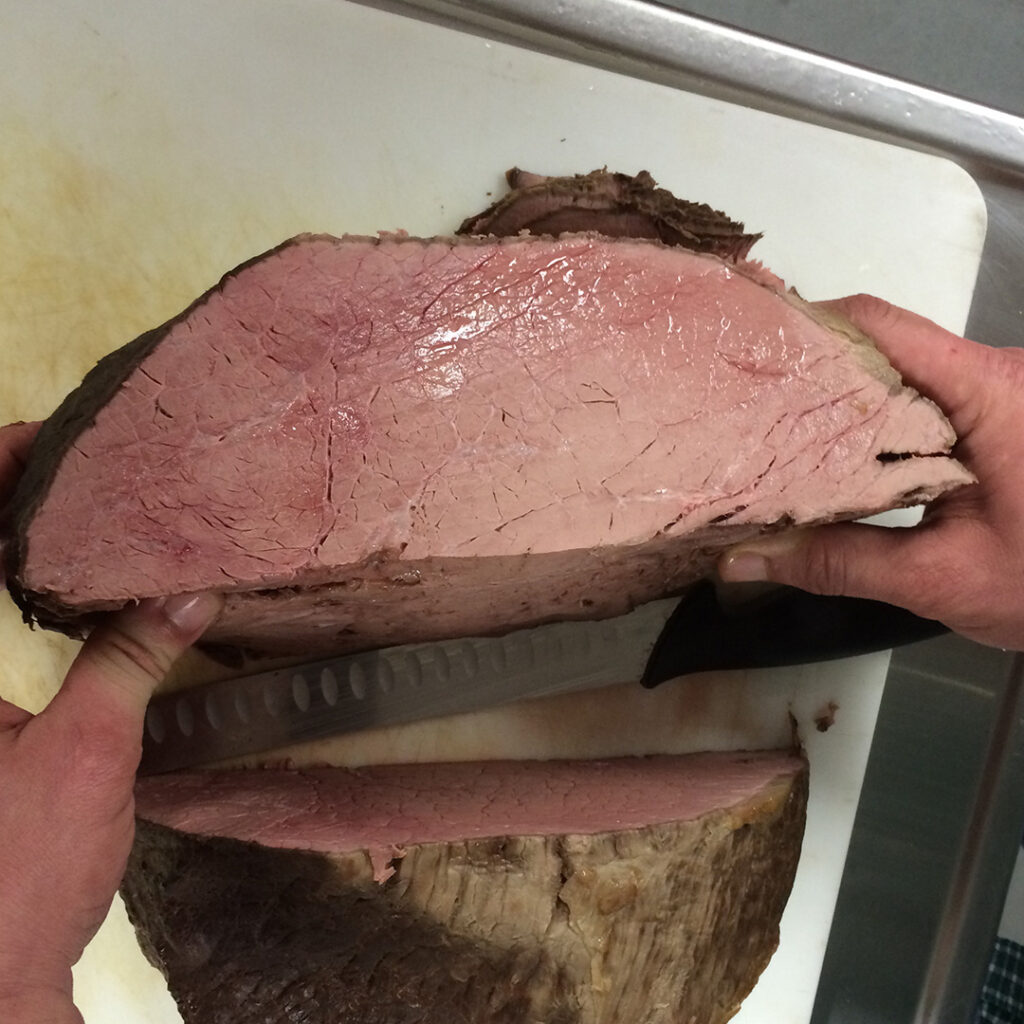
Roasting in a CVap oven delivers consistently tender, juicy results across a wide variety of cuts, from ribs, brisket, and corned beef to hamburgers, meatloaf, and portioned filets. CVap’s precise control over food temperature and moisture makes it ideal for larger or tougher cuts such as loin, sirloin butt, rib or ribeye, roast-ready rib, round, and rump/steamship rounds, ensuring even cooking without drying out. Premium cuts like top sirloin and tenderloin benefit as well, emerging perfectly roasted with excellent texture and minimal shrink. Whether you’re preparing everyday favorites or high-value center-of-the-plate items, CVap roasting allows each product to reach its ideal doneness with unmatched consistency.
Chicken
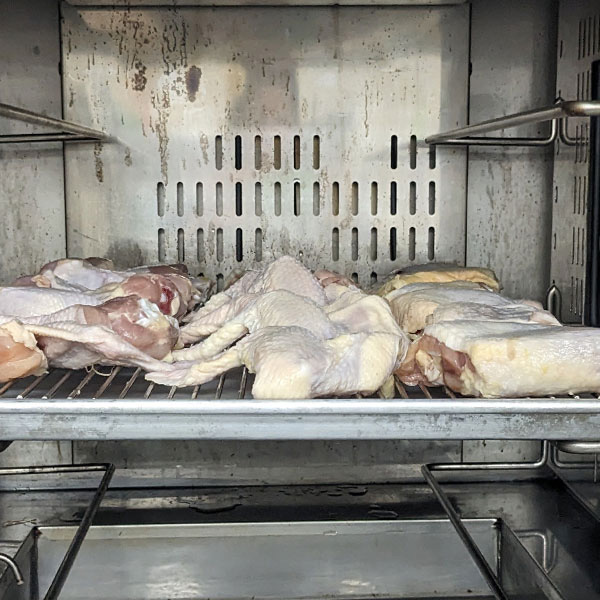
Roasting poultry in a CVap oven ensures exceptional consistency and moisture retention across all cuts, whether you’re preparing boneless breasts, halves, quartered legs and thighs, or a whole bird. CVap’s precise control of temperature and vapor heat allows each piece to cook evenly without drying out—keeping breasts tender, dark meat juicy, and whole birds perfectly roasted from edge to center. This controlled environment delivers reliable results every time, making CVap an ideal solution for roasting any poultry cut to its optimum quality.
Lamb
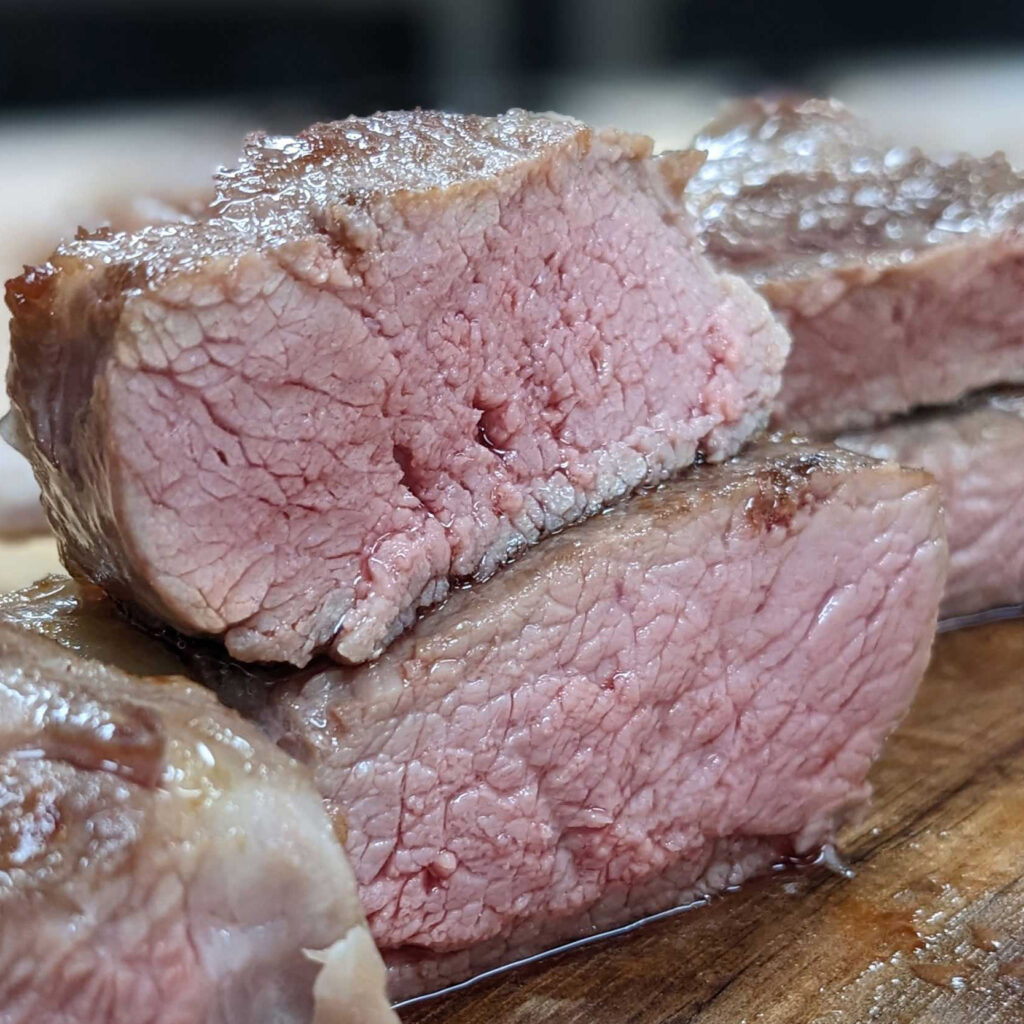
Roasting in a CVap oven brings out the best in every cut, from leg and sirloin to premium options like ribeye racks, ribs, and shoulder. CVap’s precise balance of temperature and vapor heat allows these cuts to cook evenly while maintaining moisture, yielding tender texture and rich roasted flavor. Whether you’re working with large primal cuts or smaller roasts, CVap delivers consistent, high-quality results with minimal shrink and maximum juiciness.
Veal
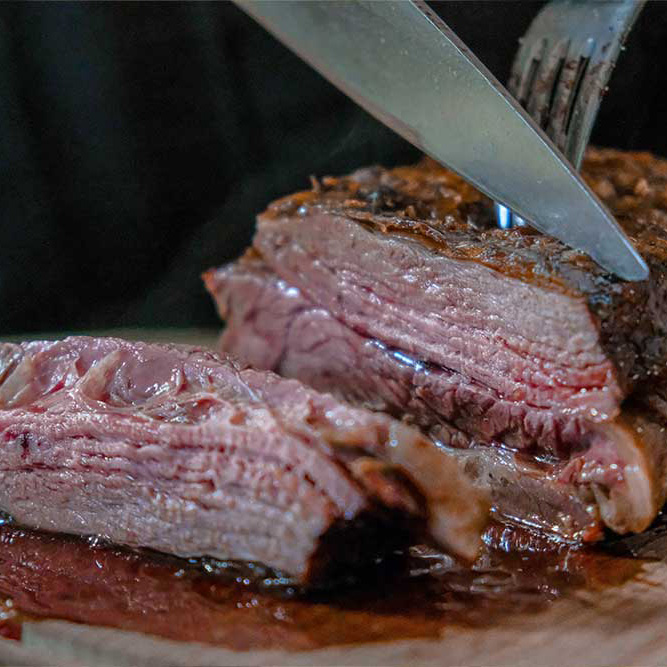
Roasting in a CVap oven provides exceptional consistency and moisture retention for a wide range of cuts, including chuck, hotel racks, legs, loin, and ribeye racks. The CVap environment delivers precise temperature and vapor control, allowing each cut to roast evenly from edge to center while preserving tenderness and flavor. Whether handling tougher cuts like chuck or premium roasts such as loin and ribeye, CVap ensures reliable results with minimal shrink and maximum juiciness.
Pork
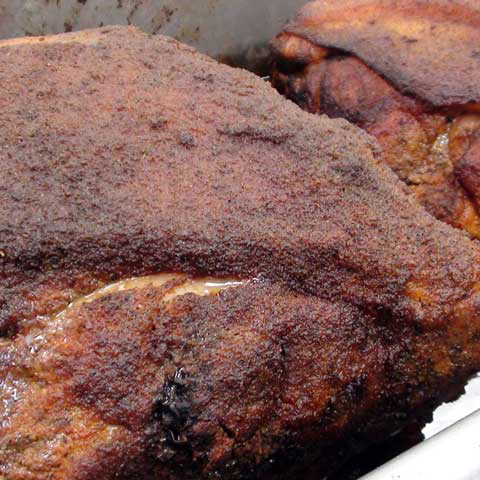
Roasting pork in a CVap oven delivers exceptional tenderness, flavor, and consistency across every cut—from sliced bacon, fresh ham legs, and loin to pork chops and all varieties of pork ribs including back, spare, and St. Louis. CVap’s precise temperature and vapor control ensures even roasting for whole specialty items like suckling or roasting pigs, while also producing juicy, well-rendered results for Boston butt, picnic shoulders, and delicate cuts like tenderloin. Even sausages, whether links or patties, roast evenly without drying out. No matter the cut, CVap helps achieve perfect texture, minimal shrink, and consistently high-quality roasted pork.
Potatoes
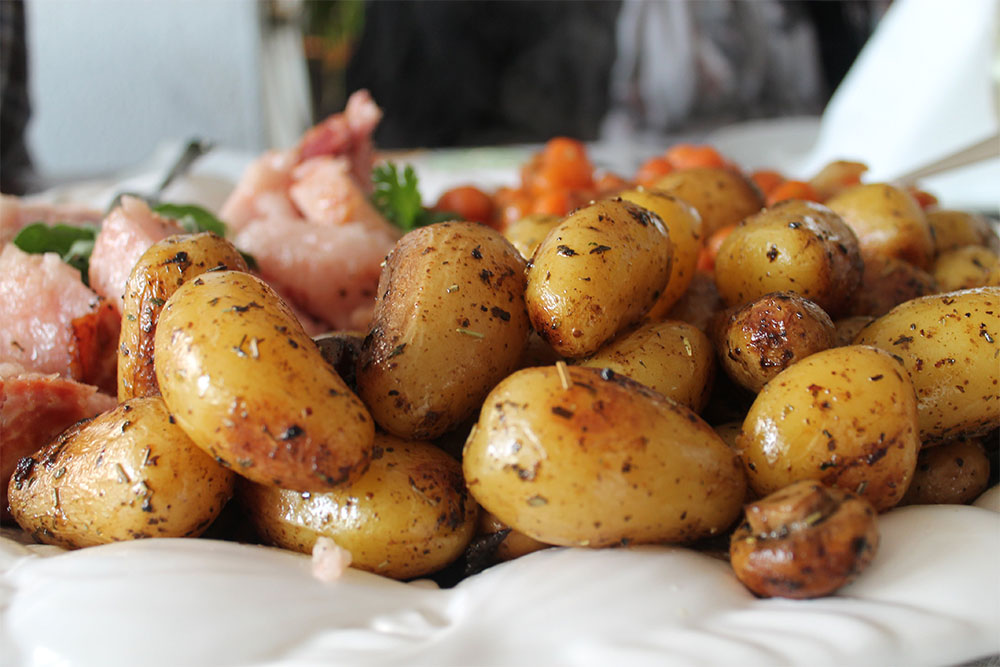
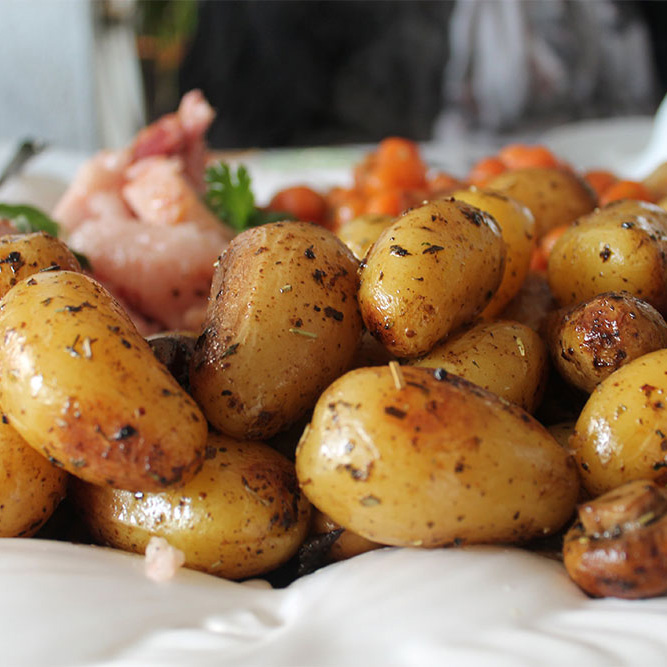
Roasting potatoes in a CVap oven ensures consistent doneness and exceptional texture across all sizes and preparations, whether they are halved or quartered, new potatoes left whole, standard potatoes quartered, or larger whole 60–90 count varieties. CVap’s precise combination of temperature and vapor heat allows every potato to roast evenly—crispy on the outside when finished in a hot environment and tender throughout—while preventing dryness or uneven cooking. This controlled process makes CVap ideal for producing perfectly roasted potatoes in any form.
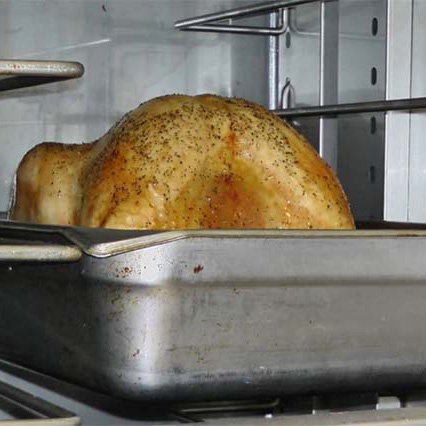
Turkey
Roasting legs or thighs, whether quartered, boneless roasts, or whole cuts, in a CVap oven allows for exceptional moisture retention and even cooking. The controlled vapor and dry heat balance ensures the meat stays tender while developing a beautifully roasted exterior. CVap’s precise temperature management makes it ideal for larger or denser cuts, delivering consistent doneness from edge to center without overcooking.
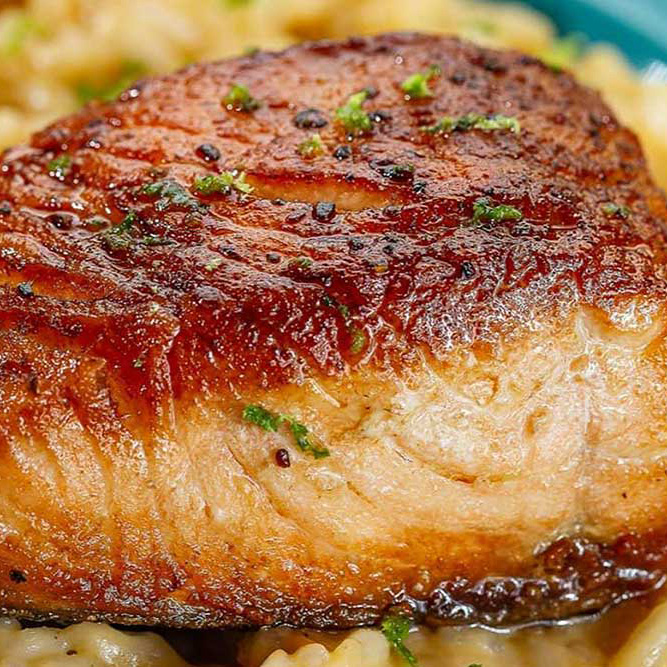
Seafood
Roasting fish, whether portioned fillets or whole fish in the 1–2 lb range, in a CVap oven provides exceptionally consistent results. The controlled balance of vapor and dry heat gently cooks the fish, preserving moisture while allowing the exterior to set without drying out. CVap’s precise temperature environment ensures delicate proteins remain tender and flaky, making it ideal for both individual portions and whole-fish presentations.
CVap Oven Features
CVap commercial ovens are built on our patented Controlled Vapor Technology, the same innovation that’s been changing professional kitchens since the 1980s. Here’s what sets our commercial cook and hold oven technology apart.
Advantages of Roasting in Cooking
Increased Yield: CVap ovens, with their dual heat system, deliver yields that blow the competition away. Better yields mean more servings per roast and more money in your pocket.
Flavor Enhancement: Roasting intensifies the natural flavors of ingredients. The heat caramelizes sugars and browns proteins, creating a rich and complex flavor profile. This is especially true for vegetables and meats.
Maillard Reaction: The Maillard reaction occurs when proteins and sugars in food react at high temperatures, resulting in the browning of the outer layer. This reaction adds depth of flavor, enhances aroma, and contributes to the appealing appearance of the roasted food.
Texture: Roasting can create a pleasing contrast in texture. Meat often develops a crispy and flavorful exterior while maintaining a juicy and tender interior. Vegetables can caramelize on the outside while retaining a firm texture inside. CVap ovens allow you to select the precise texture you desire.
Versatility: Roasting is a versatile technique applicable to a wide range of ingredients, including meats, poultry, fish, vegetables, and even fruits. It allows for creative combinations and experimentation with different flavors and textures.
Uniform Cooking: Roasting provides heat distribution, ensuring that food cooks uniformly. This is particularly beneficial for large cuts of meat or when roasting multiple items simultaneously. CVap ovens stand out in their ability to cook uniformly.