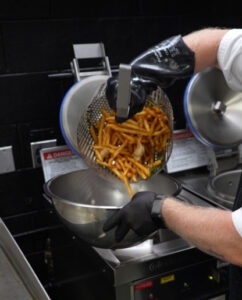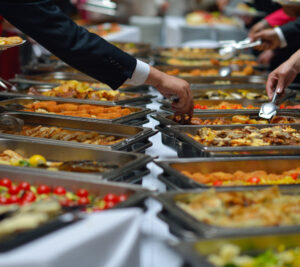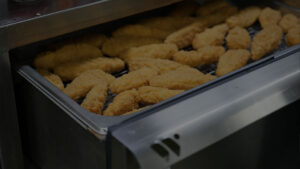
Tenders, wings, sandwiches, bone-in chicken, appetizers, and limited-time offerings all compete for space on the menu, and, increasingly, in the same fryer.
That creates an interesting challenge for operators. The fryer may be one of the busiest pieces of equipment in the kitchen, but it can also be one of the most underutilized.
We tend to think about a fryer in very specific terms: put product in, get it crispy, move on to the next order. But a commercial fryer can be much more than that.
When operators look beyond individual menu items and consider the fryer as a flexible production platform, they can get more from the equipment they already have.
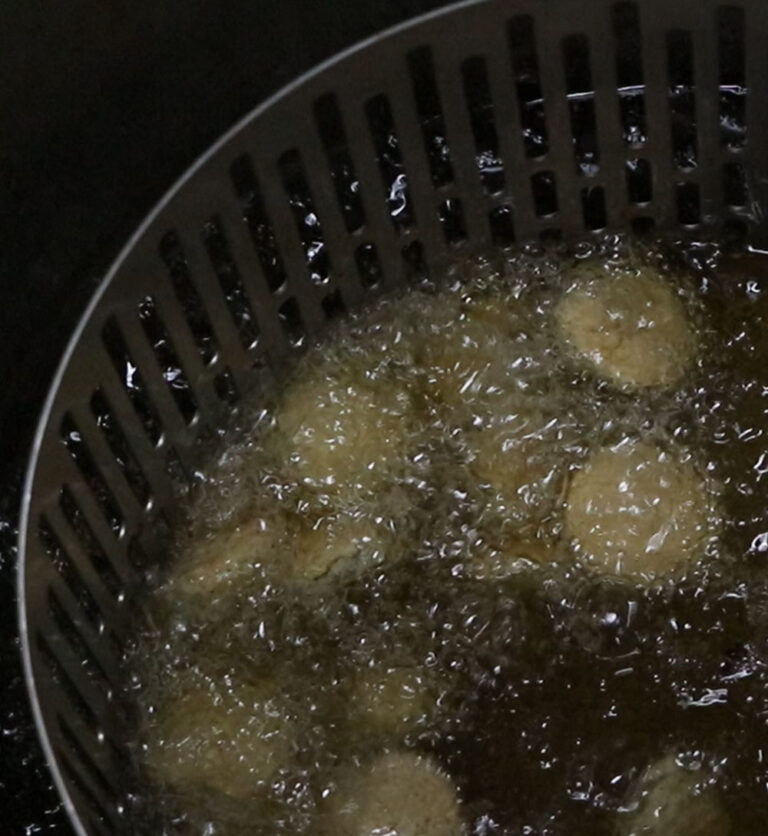
That starts with open frying in the commercial kitchen. Unlike pressure frying, which cooks food in a sealed, pressurized environment to deliver juicy interiors and consistent results, open frying uses an open oil vat to cook a wider variety of products without pressure.
Think Beyond the Basket
The strength of an open fryer is not simply that it fries food well. It gives kitchens options.
A well-designed open fryer can accommodate different products, portions, and cooking requirements without forcing the entire menu into a single approach. Multiple wells and split-vat configurations can allow operators to separate products, manage different cooking processes, and make better use of the footprint already dedicated to frying.
That flexibility matters because menus rarely stand still.
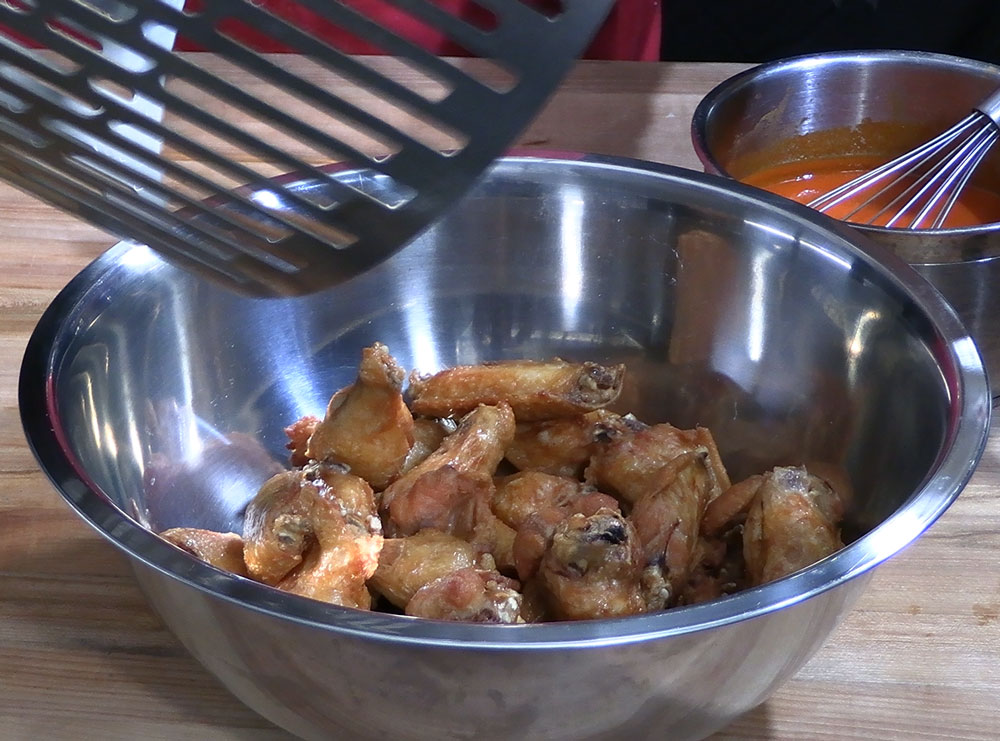
A restaurant may introduce a new wing flavor for a limited-time promotion. A convenience operation may add chicken sandwiches to a menu that already includes tenders and fries. A high-volume foodservice operation may need to accommodate multiple products during the same service period.
The fryer doesn’t have to be the constraint. Instead, it can become one of the tools that enable menu innovation.
The Fryer You Own Should Work Harder
There is a tendency to think about fryer capacity in terms of how much food can be cooked at once. But capacity is only one measure of productivity.
The bigger question is: How much work can the fryer do for your operation?
That means considering the number of products it can support, how quickly operators can move between tasks, how effectively oil is managed, and how consistently the equipment performs during a busy service.
This is where open frying becomes particularly interesting.
Because the cooking environment is accessible and adaptable, operators can use an open fryer for much more than a single signature product. It can become a shared production resource across the menu, supporting appetizers, chicken, seafood, sides, and other fried applications, depending on the operation and its oil-management practices.
In other words, the value of a fryer isn’t necessarily determined when you purchase it. It is determined every day by how effectively you use it.
Crispness Is Only the Beginning
Of course, the food still has to be good. open frying in the commercial kitchen is particularly well suited to products where a pronounced crust and crisp exterior are part of the experience. With moisture able to escape more freely during cooking, the process can create the golden-brown appearance and satisfying crunch that customers expect from fried foods.
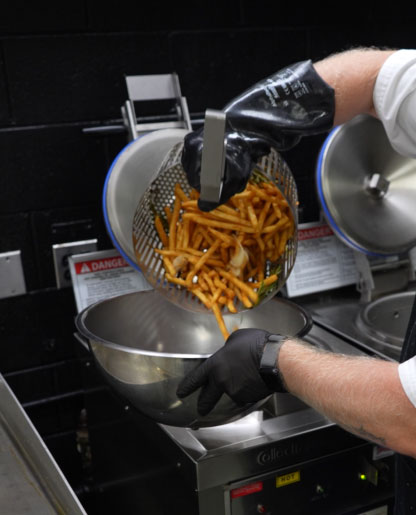
But consistency is what turns good frying into a dependable menu.
Customers don’t experience your fryer as a piece of equipment. They experience it as the crunch of a chicken tender, the texture of a wing, or the first bite of a sandwich.
That makes oil management, temperature recovery, and repeatable cooking processes just as important as the fryer itself.
The best equipment doesn’t eliminate the need for good practices. It makes those practices easier to execute.
Make Oil Management Part of the Strategy
One of the most important ways to get more from an open fryer is to stop thinking of oil as an expendable ingredient and start treating it as an operational resource.
Oil has a direct relationship with food quality and operating cost. As oil degrades, the results can change. Managing that degradation isn’t simply about saving money—it is about protecting consistency.
Modern low-oil-volume fryer designs can help operators approach that challenge differently. Using less oil means there is less to manage in the system, while regular filtration and rapid temperature recovery can support a more disciplined approach to everyday frying.
That creates an opportunity to build oil management into the kitchen’s rhythm rather than treating it as an occasional maintenance task.
Filter regularly. Monitor oil quality. Maintain appropriate temperatures. Give the equipment the support it needs to perform.
These practices may not be as visible as a new menu item, but they can have just as much impact on the guest experience.
Design the Fryer Around the Kitchen, not the Other Way Around.
There is no single definition of the “right” fryer.
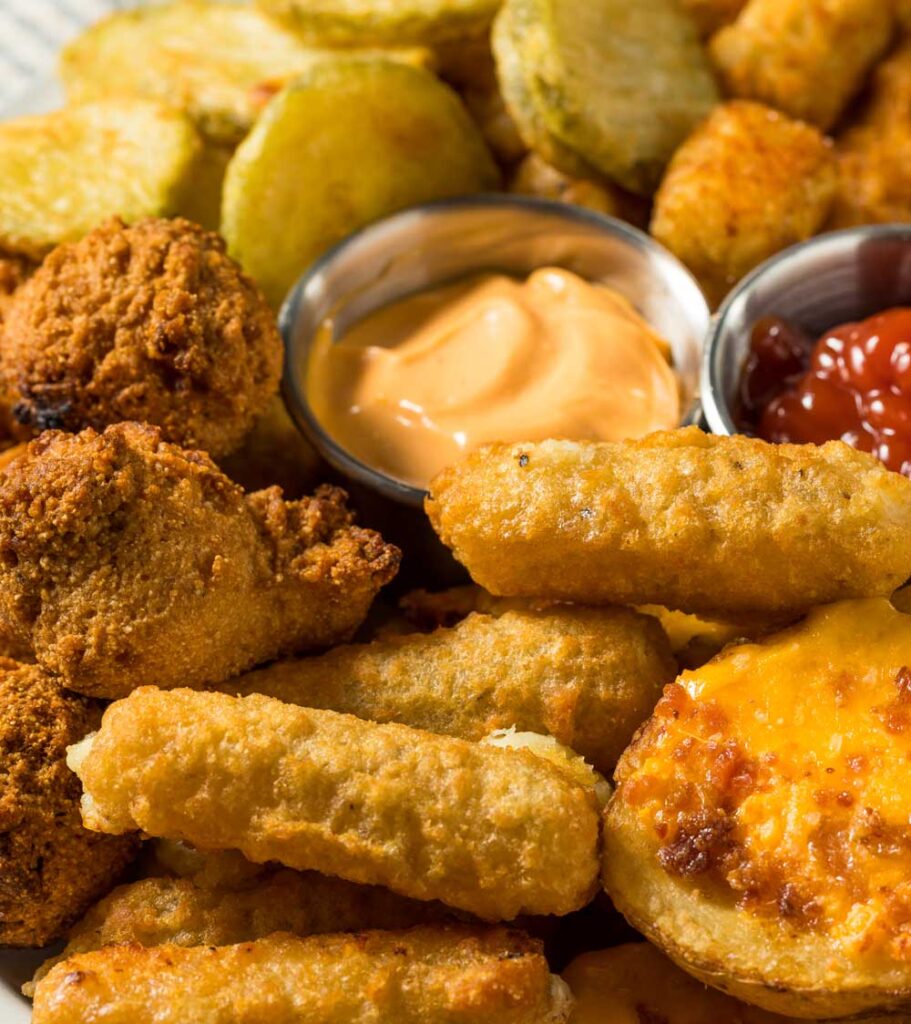
A small operation may value simplicity and ease of training. A multi-unit restaurant may prioritize repeatability and labor efficiency. A high-volume kitchen may need capacity and speed above all else. Another operation may need the flexibility to support a constantly changing menu.
The important thing is to start with the operation rather than the equipment.
Ask what the fryer needs to accomplish.
How many products will it support? Which items drive volume? Where are the bottlenecks during peak periods? How often does the menu change? How much labor is available? How important are oil conservation and filtration? What happens when two high-volume products hit the fryer at the same time?
Those questions can reveal that the best fryer isn’t necessarily the biggest one or the most sophisticated one. It is the one that fits the way the kitchen actually works.
A Better Way to Think About Your Fryer
The commercial fryer has evolved far beyond a simple vessel of hot oil. Today’s equipment can help operators manage oil, simplify training, improve consistency, and create more flexibility within a limited kitchen footprint.
But equipment only creates potential. Operators unlock that potential by thinking differently about how they use it.
Instead of asking, “What can we fry in this fryer?” consider asking, “What could this fryer help our kitchen accomplish?”
That shift can change how operators approach menu development, equipment planning, and day-to-day production.
Open frying gives kitchens the flexibility to serve the foods customers want today while leaving room for what comes next. And with thoughtful oil management, intelligent configurations, and equipment designed around the realities of commercial foodservice, the fryer can become more than a workhorse.
It can become a strategic part of the kitchen.
The goal isn’t simply to own a fryer that can keep up.
It’s to own a fryer that gives your kitchen room to do more.
Have questions about your current fryer? Contact us to make the most of your equipment.