How Winston CVap® Helps Caterers Control Food Quality
When you’re catering an event, keeping food hot is only part of the job.
Food may be cooked hours before guests arrive. It may need to be staged, transported, held through multiple service waves, or wait while an event runs behind schedule. A conventional food warmer can maintain temperature, but temperature alone does not determine food quality.
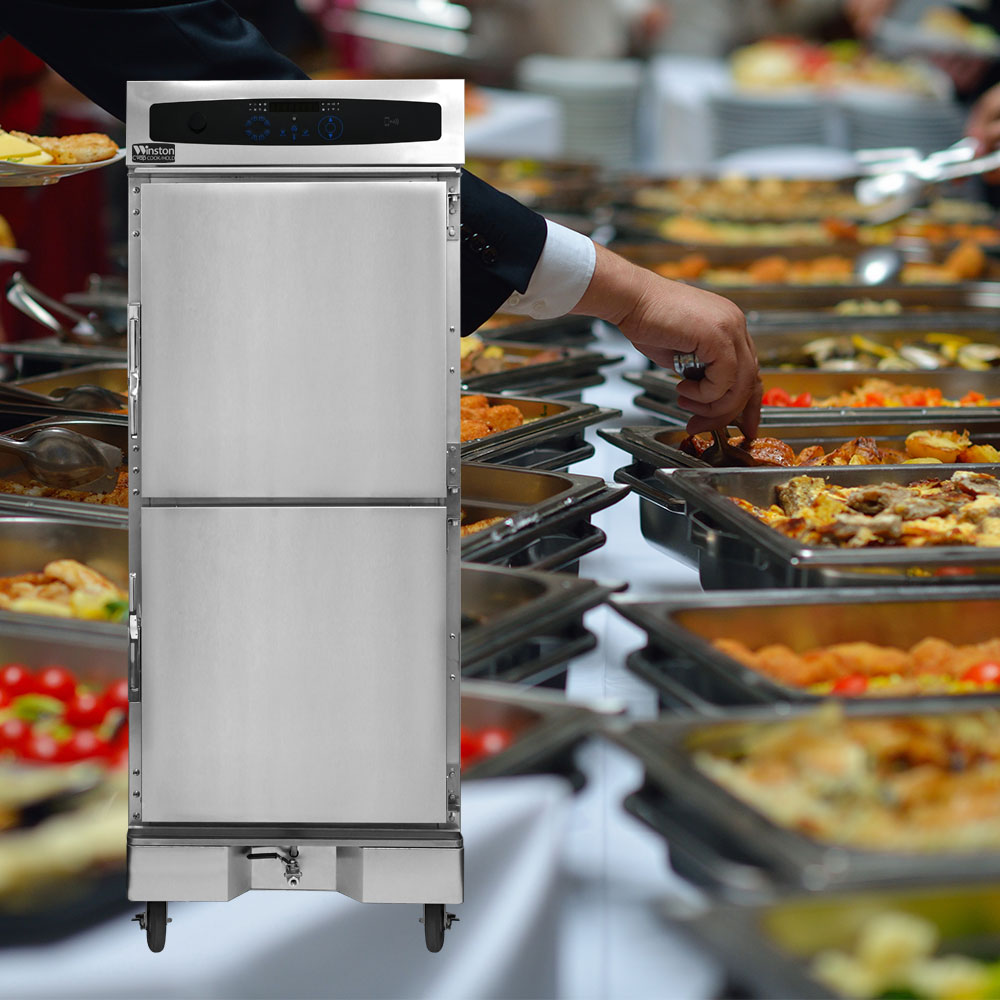
Winston CVap® gives caterers control over both food temperature and texture by using Controlled Vapor Technology. Instead of simply surrounding food with hot, dry air, CVap is designed to manage the cooking and holding environment so caterers can better protect the quality of prepared food.
For catering operations, that means more control between the kitchen and the plate.
What Is a Food Warmer for Catering?
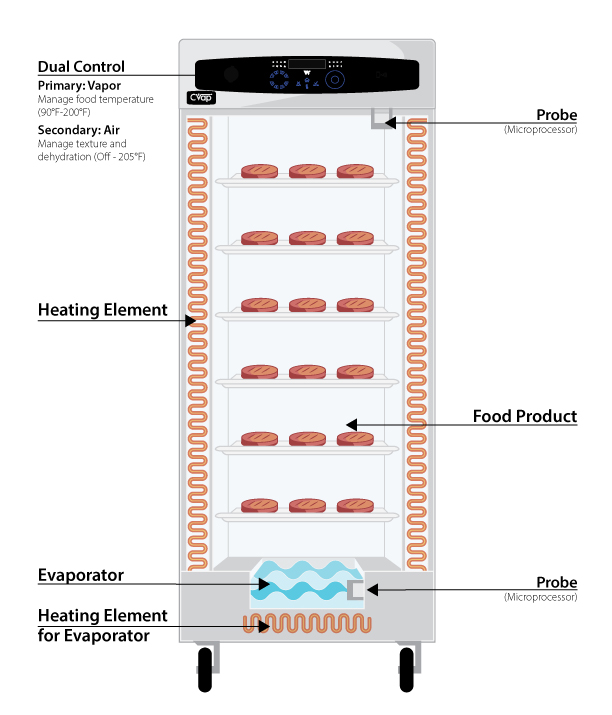
Winston’s Controlled Vapor Technology is designed to control food temperature and food texture by managing the vapor and air environment around the food. Winston describes CVap as technology designed to heat the food rather than simply heat the air inside the cabinet.
A food warmer for catering is commercial foodservice equipment designed to keep prepared food at serving temperature until it is ready to be served.
Traditional warmers primarily use heated air to maintain food temperature. The problem is that prolonged exposure to dry heat can change the food itself. Moisture can evaporate, textures can change, and food prepared hours earlier may not have the same quality when it reaches the buffet or serving line.
CVap takes a different approach.
That distinction matters when food has to wait.
Why Temperature Alone Isn't Enough
The controlled environment can help caterers manage moisture loss and maintain the desired texture of different foods. Winston’s CVap holding equipment is specifically designed to manage food temperature and texture, including settings intended for moist and crisp foods.
Imagine a catering operation preparing 300 portions of chicken for an event.
The first portions may be served shortly after cooking. The last portions may sit for much longer.
Both batches can technically be “hot,” but that does not mean they will have the same texture or appearance.
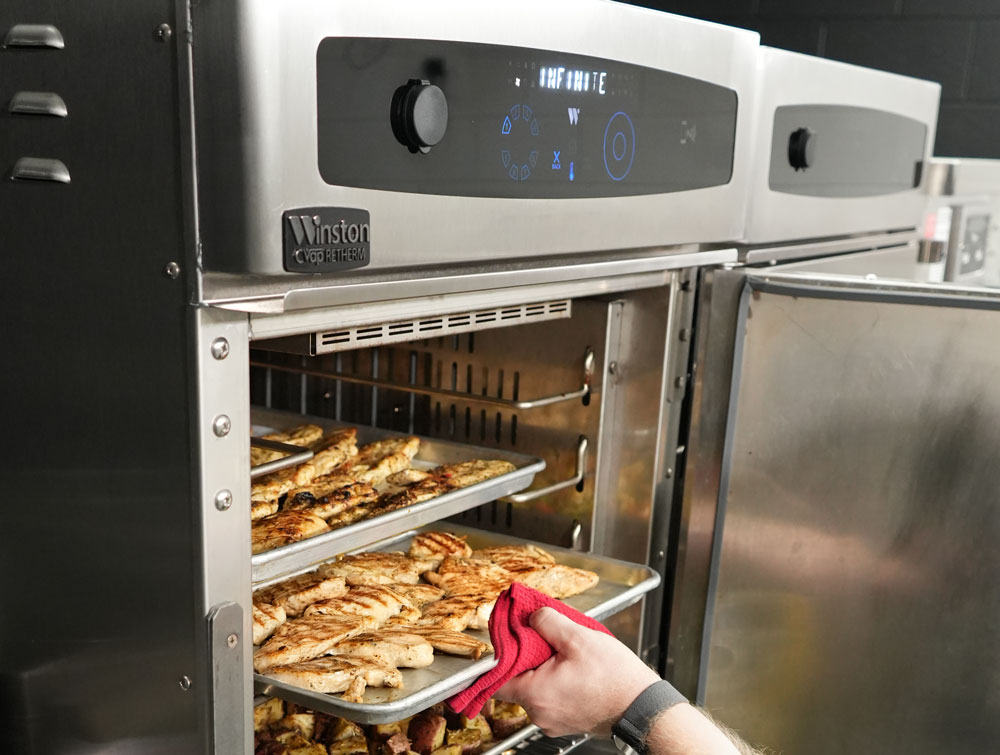
That’s the problem with treating food holding as nothing more than temperature maintenance.
A catering food warmer should help answer two questions:
- Is the food at the appropriate serving temperature?
- What is happening to the food while it is being held?
CVap is designed around both.
How CVap Works for Catering
CVap uses Controlled Vapor Technology to combine vapor and dry heat to manage the food’s environment. The basic concept is straightforward: water vapor helps transfer heat to the food while controlling moisture evaporation.
That gives operators more control than simply increasing the temperature of a dry-air warmer.
The result is a holding environment that can be adjusted for the type of food being held. That matters because a catering menu rarely consists of one type of food.
A single event might include:
- Fried chicken
- Roasted vegetables
- Rice
- Pasta
- Seafood
- Casseroles
- Braised or roasted proteins
- Dinner rolls
- Desserts and baked goods
Different foods have different texture requirements. Crispy food should not be treated exactly like moist food.
Your menu isn’t one-size-fits-all. Your holding strategy shouldn’t be either.
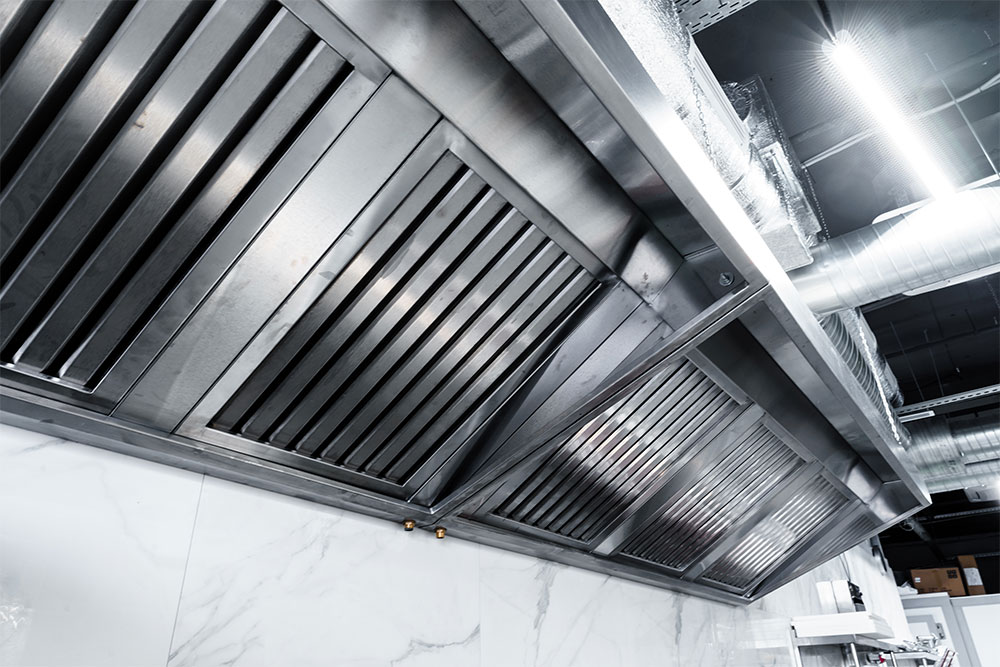
Ventless Catering: No Hood Required
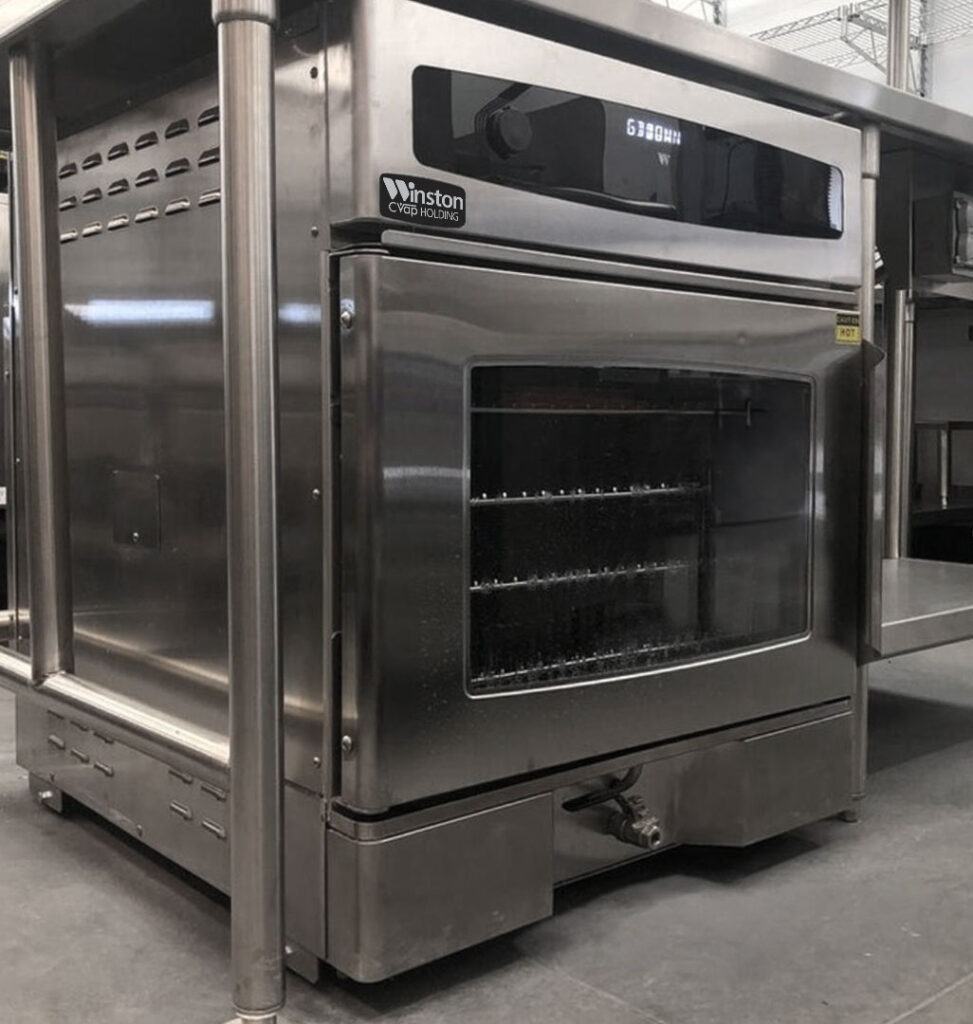
Catering kitchens don’t always have the luxury of a huge production space with a dedicated hood.
You might be working out of a restaurant kitchen, commissary, banquet facility, event venue, food truck, concession area, or a smaller catering kitchen. Space is valuable, and adding equipment that requires a traditional ventilation hood can make an already complicated setup even harder.
CVap equipment is designed for ventless operation, so you can put your cooking and holding equipment where it makes the most sense for your operation. That means you aren’t automatically limited to the space directly underneath a hood.
Put Your Equipment Where the Work Happens
A ventless CVap setup can give caterers more flexibility when planning their kitchen layout.
Instead of asking:
“Where can I put another piece of equipment under the hood?”
You can ask:
“Where would this equipment make our workflow better?”
Make More of the Space You Already Have
What Can You Hold in a Catering Food Warmer?
Fried Foods
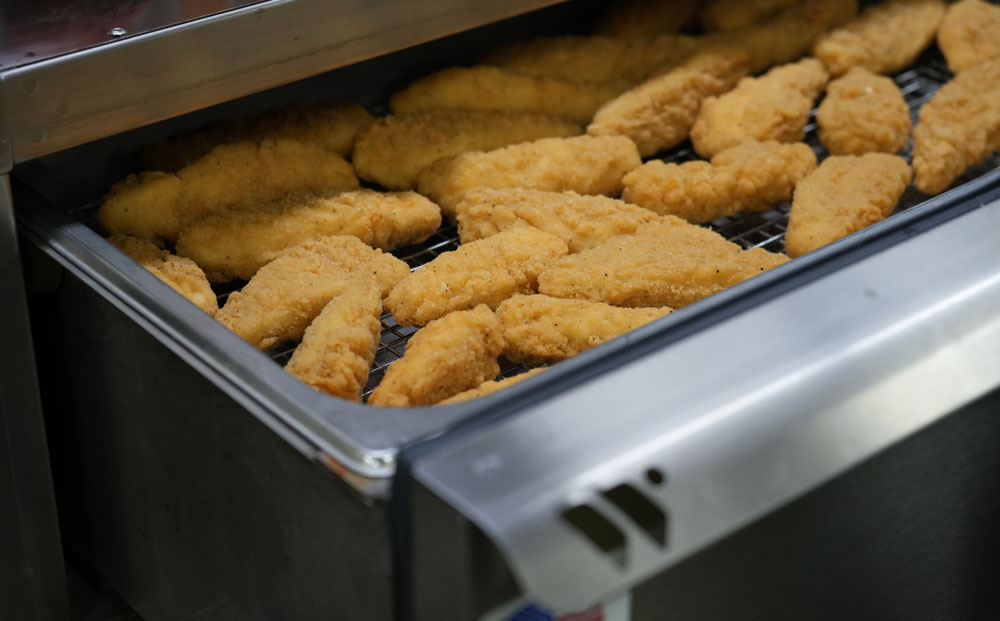
Fried foods are one of the clearest examples of why the holding environment matters.
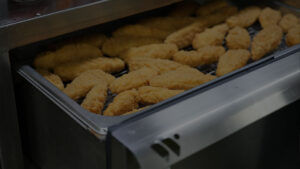
Fried chicken, chicken tenders and breaded appetizers need to retain their desirable texture after cooking. Excess moisture can soften a crispy coating, while excessive dry heat can negatively affect the food underneath.
CVap can be configured for crisp-food holding. Winston’s FAQ provides a general starting range for crisp foods while emphasizing that the unit must be set appropriately for the application.
The point isn’t simply to keep fried food hot.
It’s to manage the environment around the food.
Proteins
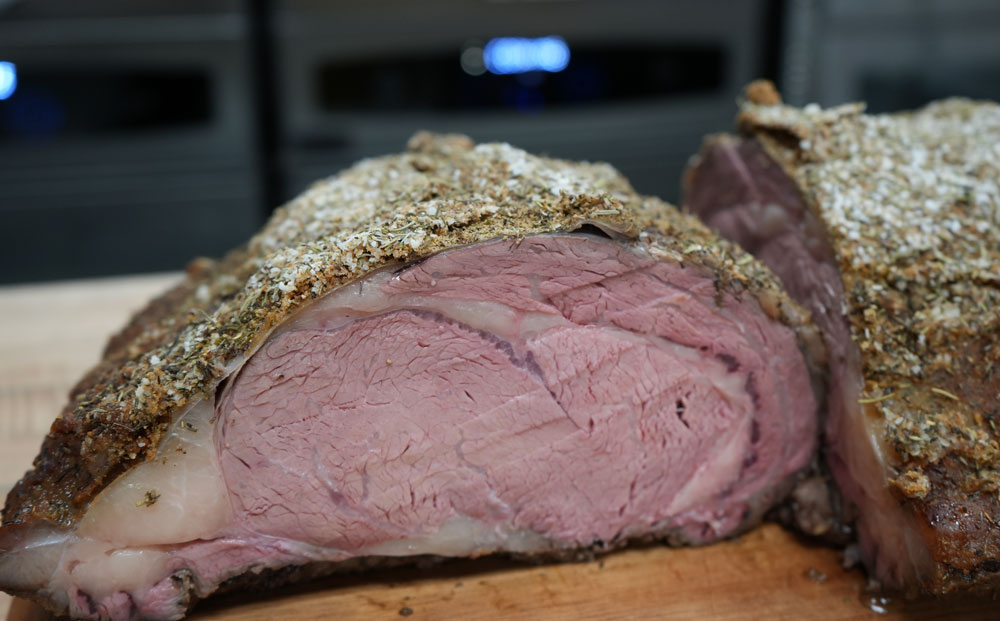
Cooked proteins can lose moisture during extended holding, particularly when exposed to continuous dry heat.
CVap helps caterers manage the moisture environment around foods such as chicken, turkey, roast beef and other cooked proteins.
That gives production teams more flexibility when cooking and service cannot happen at exactly the same time.
Vegetables
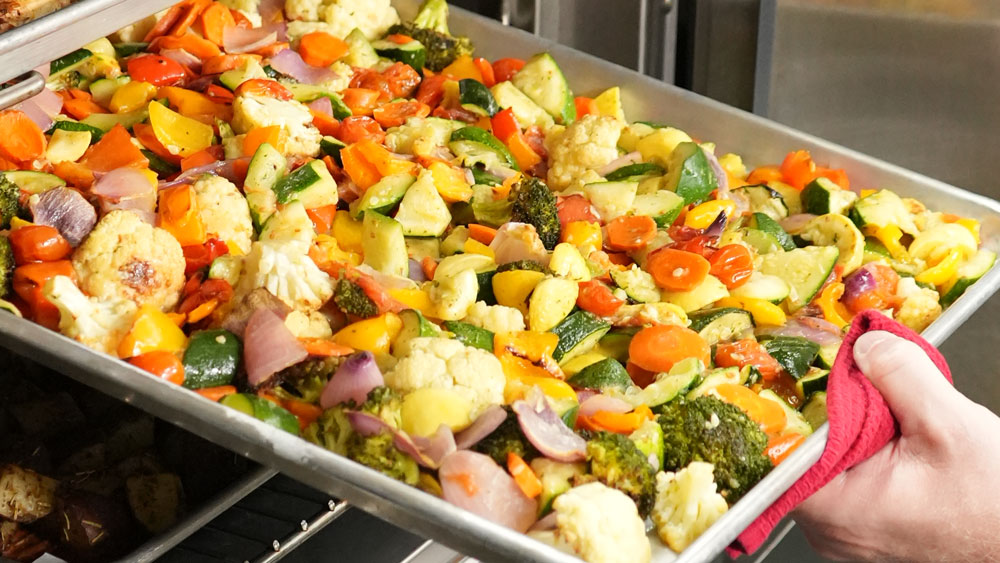
Vegetables can change significantly during holding.
Too much heat can continue the cooking process. Too much dry heat can cause moisture loss. Improper holding can turn a well-prepared vegetable side into something that looks tired before the event is over.
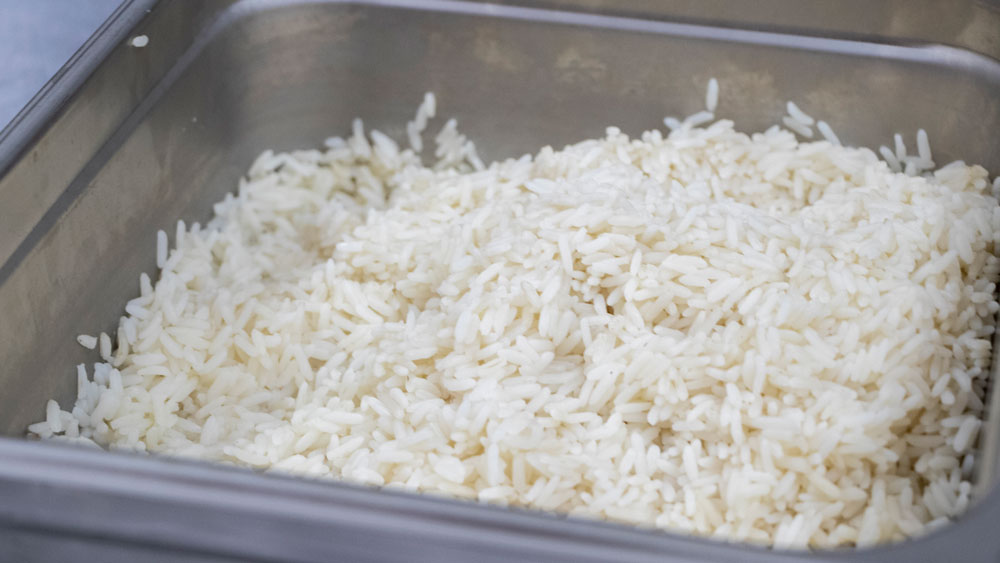
Rice, Pasta and Grains
Rice, pasta and other starches can be challenging to hold because moisture is critical to their texture.
Improper holding can leave rice dry and firm or pasta sticky and overworked.
A controlled holding environment can help operators maintain the desired texture while keeping food ready for service.
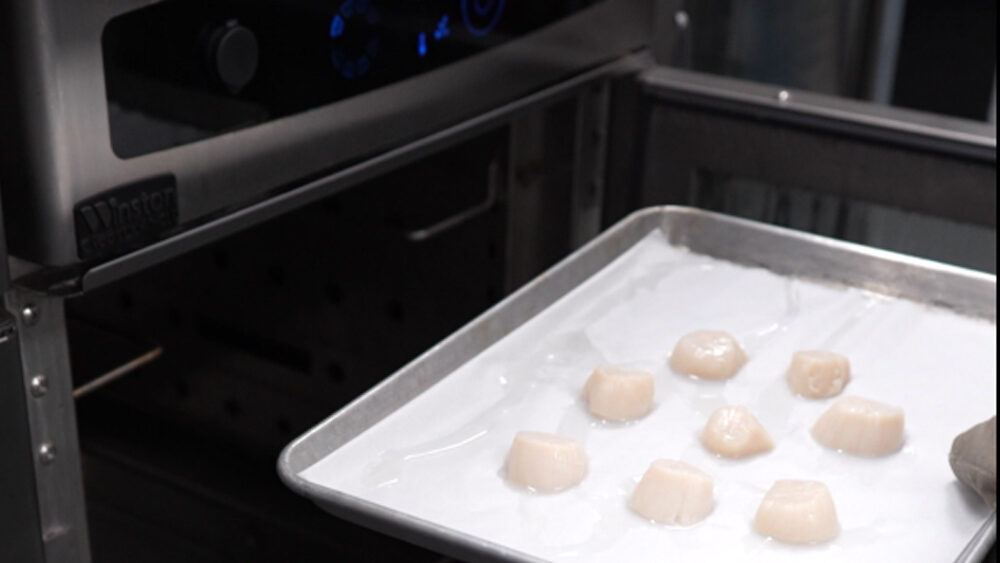
Seafood
Seafood can be especially sensitive to extended heat.
Overheating can dry delicate proteins and negatively affect texture. CVap gives caterers another way to manage the holding environment rather than relying solely on hot, dry air.
For seafood-heavy menus, that additional control can be particularly useful.
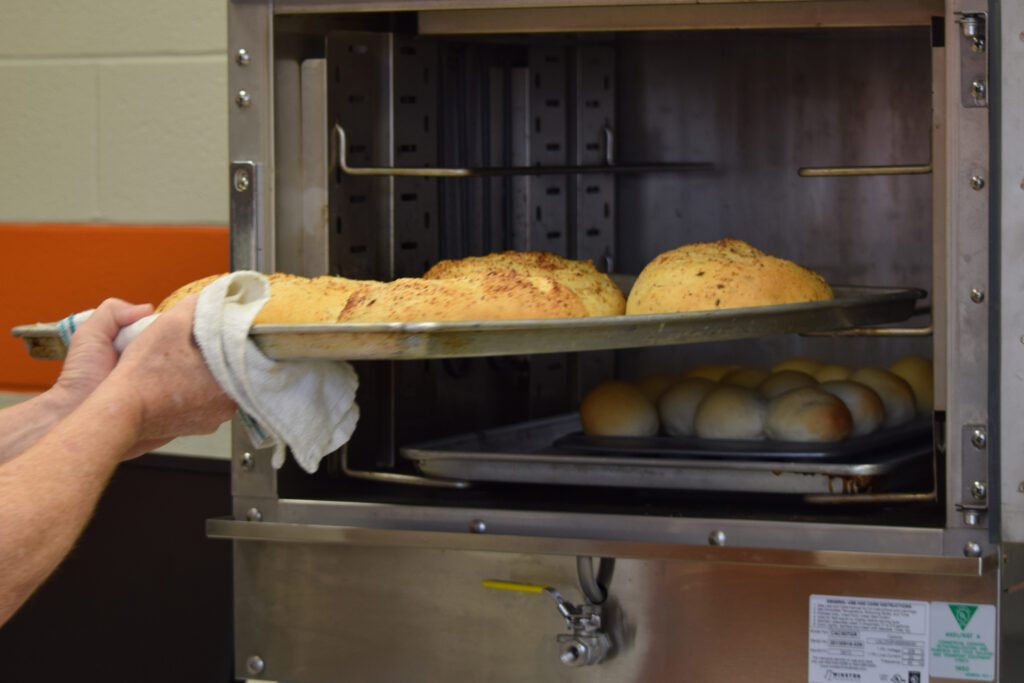
Breads, Rolls and Baked Goods
Not every catering application is about entrées.
Rolls, breads, baked goods and desserts may also need to be staged before service. These foods can respond differently to heat and moisture, making the holding environment important.
The right equipment should allow operators to build a holding strategy around the food instead of forcing every menu item into the same conditions.
Cook Ahead Without Losing Control
One of the biggest advantages of catering equipment is the ability to separate production time from service time. A caterer does not always want to cook every item immediately before guests eat.
Large events require staging.
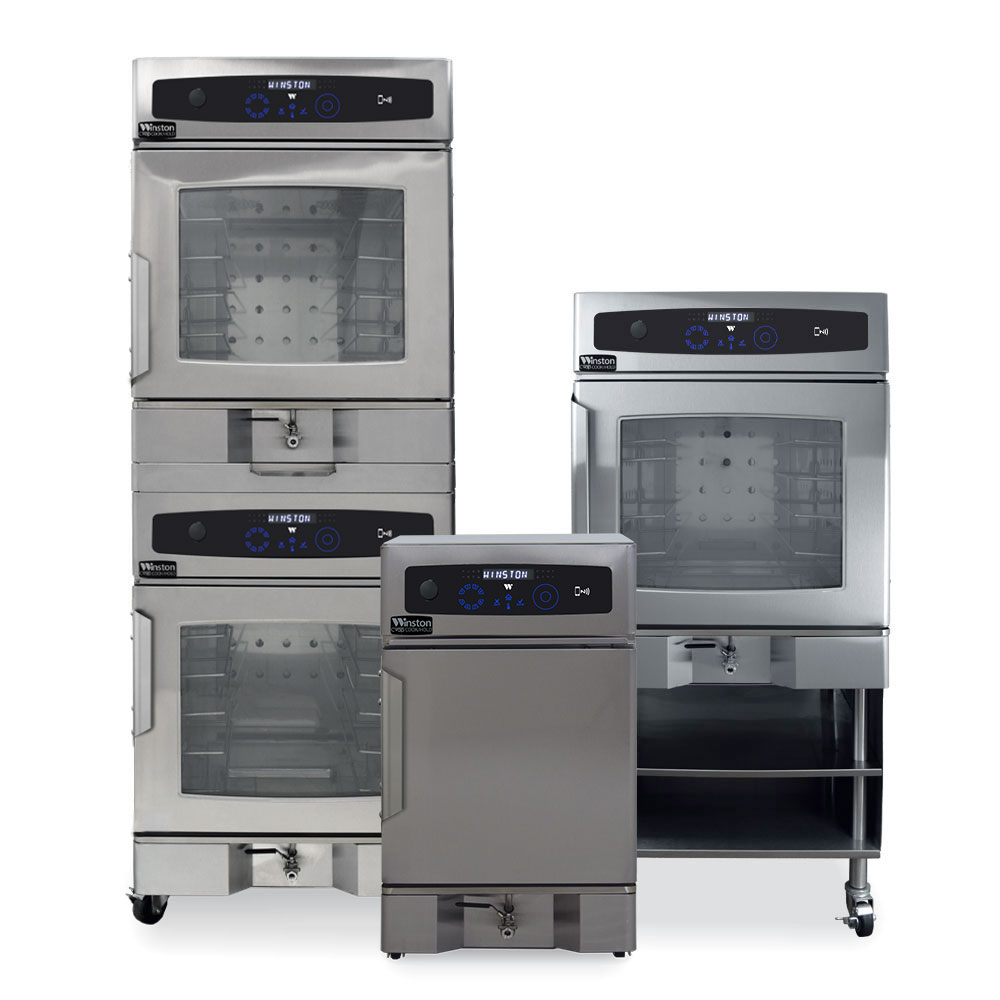
Winston CVap Cook and Hold Ovens are designed to allow operators to cook and hold food in the same piece of equipment. Current Winston Cook and Hold models range from countertop configurations to full-size units, with features varying by series and model.
That can simplify the production workflow:
Cook → Hold → Stage → Serve
Instead of:
Cook → Transfer → Reheat/hold → Transfer again → Serve
Fewer transfers can mean a simpler workflow and less handling between production and service.
Cook and Hold Can Change the Catering Schedule
Catering kitchens often have a narrow window in which everything has to get done.
Prepping. Cooking. Packing. Loading. Transportation. Setup. Service. Cleanup.
The kitchen may be working on multiple menu items while the event clock keeps moving.
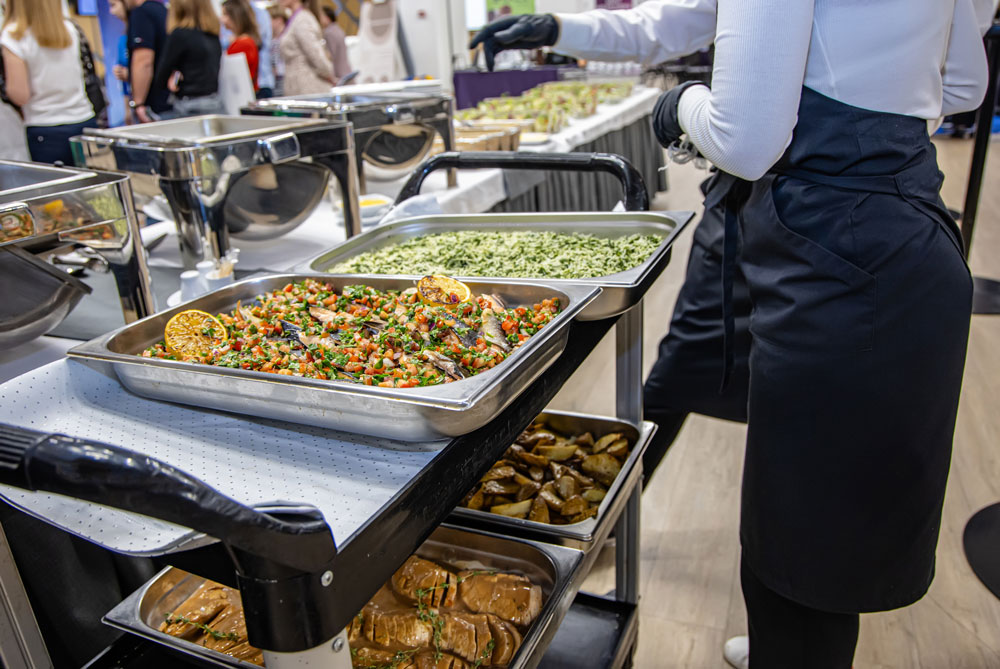
Cook and Hold equipment can move some production earlier in the schedule, giving the team more flexibility before service.
That can be particularly useful for operations dealing with:
- Large guest counts
- Multiple service times
- Off-site events
- Banquets
- Weddings
- Corporate catering
- Institutional catering
- Commissary production
- Events with unpredictable schedules
Instead of asking, “How do we cook everything at the last minute?”
The better question becomes:
“What can we safely and effectively produce ahead of time?”
Overnight Cooking for Catering
Overnight cooking can also help catering operations move production away from the busiest part of the day. Instead of beginning production at 3 or 4 a.m. for a later event, certain menu items may be candidates for controlled overnight cook-and-hold processes.
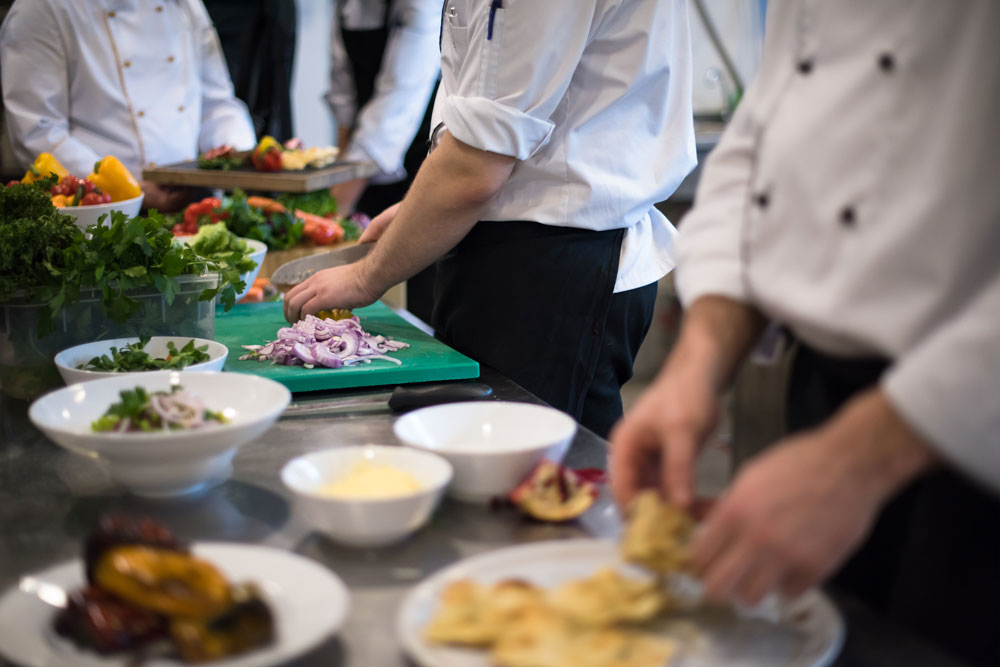
This can help kitchens make better use of labor and equipment capacity.
The goal isn’t to eliminate kitchen staff.
It’s to make better use of the hours when your staff is there.
A controlled cook-and-hold process can allow employees to focus on preparation, packing, loading and event execution instead of spending the entire shift monitoring equipment.
Always establish appropriate food safety procedures, recipes and operating parameters for the specific food and equipment.
Which CVap Equipment Is Right for Catering?
“CVap” isn’t one piece of equipment.
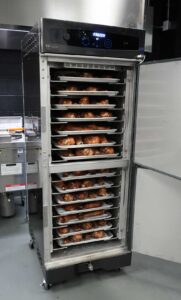
Winston offers several CVap configurations, allowing caterers to select equipment based on how they produce, hold and serve food. The current Winston lineup includes holding cabinets, Cook & Hold ovens, Rethermalizer ovens and holding drawers.
CVap Holding Cabinets
Best for: Prepared food holding, staging and high-volume catering operations.
Holding Cabinets are designed for operations that need to keep prepared food ready for service. Winston offers different sizes and configurations, including full-size and half-size options.
CVap Cook and Hold Ovens
Best for: Operations that want to cook and hold in the same unit.
Cook and Hold ovens can help catering kitchens move production earlier and create a more predictable workflow.
CVap Rethermalizer Ovens
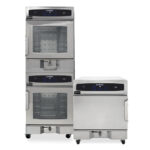
Best for: Operations that need to rethermalize prepared food while maintaining control over the food environment.
These can be particularly useful when catering production involves prepared or chilled foods that need to be brought back to serving temperature.
CVap Holding Drawers
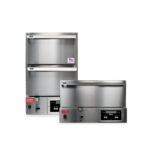
Best for: Smaller kitchens, service areas and operations that need holding capacity without dedicating space to a full-size cabinet.
Winston’s CVap holding drawers use Controlled Vapor Technology to manage food temperature and humidity and are designed for foods that need to stay ready to serve.
How to Choose a Food Warmer for Catering
Before buying catering holding equipment, look beyond capacity. Ask these questions:
- What foods are you holding? A menu dominated by fried foods may have different requirements than one built around braised proteins, vegetables or seafood.
- How long does food typically wait? Consider your actual production and service windows. Don’t just ask how hot the unit gets. Ask what happens to the food during the entire holding period.
- Do you need to cook in the equipment? If the answer is yes, a Cook & Hold oven may make more sense than a holding-only cabinet.
- How much food do you produce? Capacity should match your typical production volume, not just your largest event.
- Where will the equipment live? Consider kitchen footprint, countertop or undercounter requirements, door clearance, transportation and access to utilities. Winston offers configurations ranging from compact units to larger, high-capacity equipment.
- How much labor does your process require? Think about how many times food is transferred, monitored, moved or reheated before service. The right equipment should simplify the process.
- What happens when the event runs late? Because catering rarely follows the original schedule perfectly, your holding equipment needs to give your team flexibility when service changes.
Food Warmer vs. Food Holding Equipment: What's the Difference?
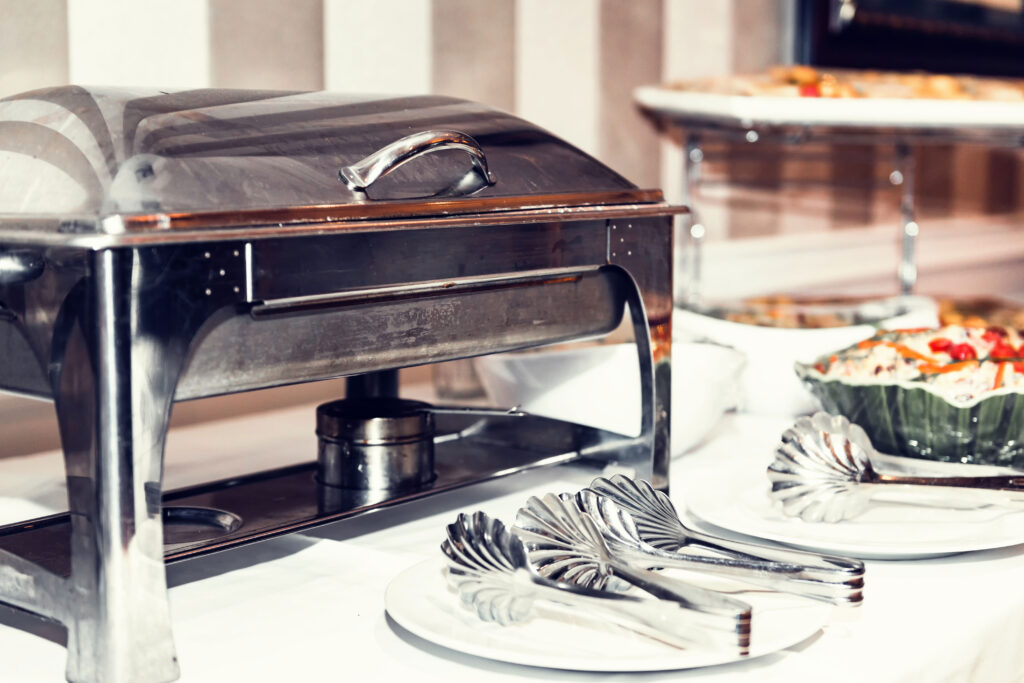
The terms “food warmer,” “hot box,” “holding cabinet” and “food holding equipment” are often used interchangeably, but they can describe very different capabilities.
A basic warmer may be designed primarily to maintain temperature.
A controlled holding system can give operators more control over the environment surrounding the food.
And a Cook and Hold oven can go a step further by combining cooking and holding in one unit. That’s why choosing catering equipment based only on the phrase “food warmer” can leave important questions unanswered. The better question is: What does your catering operation need the equipment to do?
Why Caterers Choose CVap
CVap is built around a simple idea: food quality depends on more than temperature.
For catering operations, that can translate into:
- More control over food temperature and texture
- Greater flexibility in production scheduling
- Cook-and-hold capability with applicable CVap ovens
- More options for staging prepared food
- Equipment configurations for different kitchen sizes and workflows
- A holding strategy that can be adjusted to different types of food
Winston’s current CVap lineup is designed for professional foodservice environments ranging from catering and restaurants to schools, healthcare and other high-volume operations.
The best food warmer depends on the menu, food volume, holding time, available space and whether you need cooking capability. Winston CVap offers holding cabinets, holding drawers, Cook & Hold ovens and Rethermalizer ovens for different catering applications.
A conventional food warmer typically relies primarily on heated air. CVap uses Controlled Vapor Technology to control the food's temperature and texture by managing the vapor and air environment around the food.
Yes. CVap can be configured for crisp-food holding. Winston recommends different temperature relationships for crisp foods than for moist foods, demonstrating why the holding environment should be matched to the menu item.
Yes. Winston offers CVap Retherm Ovens and Cook and Hold Ovens designed to cook and hold food in the same unit.
CVap Retherm Ovens and Cook and Hold equipment can support cook-and-hold processes that allow certain foods to be produced ahead of service. Operators should establish appropriate recipes, food safety procedures and equipment settings for each application.
CVap can be used for a wide variety of menu items, including proteins, fried foods, vegetables, rice, pasta, seafood, casseroles, breads and other prepared foods. The appropriate settings depend on the food and desired texture.
Start with your menu, production volume, holding time, kitchen space, electrical requirements and whether you need cooking, holding or both. Winston can help evaluate those requirements and identify an appropriate configuration.
A Catering Food Warmer Should Do More Than Keep Food Hot
Catering is unpredictable.
Guest counts change. Speeches run long. Deliveries arrive late. Service times move. A dish that was supposed to be served at 6:00 may not hit the buffet until 6:30.
You can’t control every part of the event.
You can control your equipment.
Winston CVap gives catering operations a way to manage food temperature and texture while creating more flexibility in the production schedule. Whether you need a holding cabinet, holding drawer, cook and hold oven, or rethermalizer, the goal is the same: give your food the environment it needs between the kitchen and the guest.
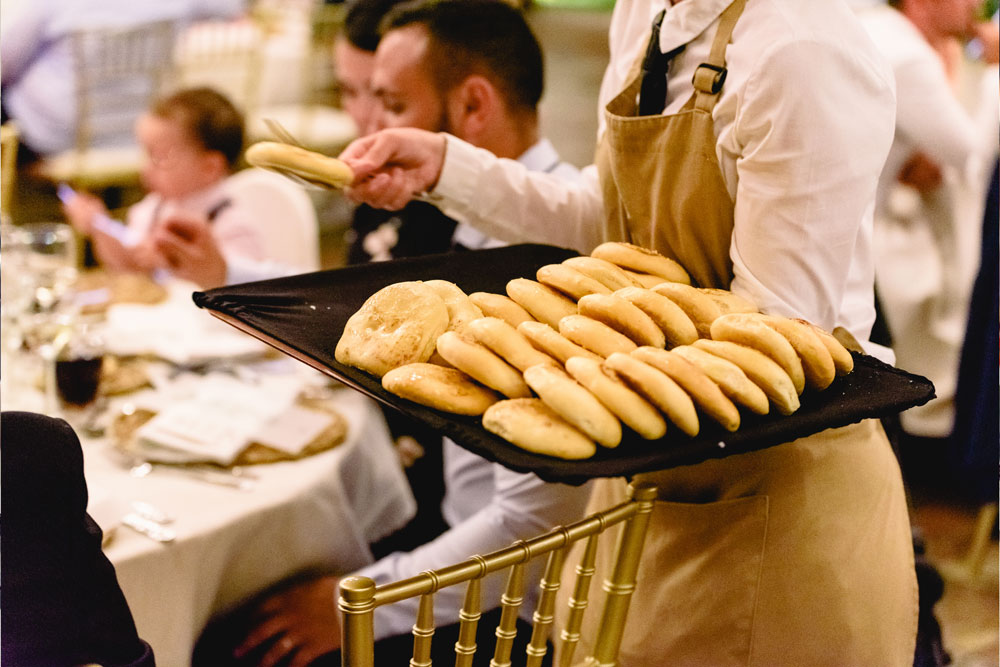
Because a food warmer shouldn’t just keep dinner hot.
It should help you serve the food you intended to make.
Ready to Find the Right CVap for Your Catering Operation?
Tell the Winston team what you cook, how much you produce, how long you typically hold food and how your kitchen is set up. We can help you determine which CVap configuration makes the most sense for your operation.