Traditional commercial ovens come with strings attached, specifically, the expensive, space-hogging kind called vent hoods. For decades, if you wanted to cook, you needed ductwork. You needed exhaust fans. You needed a contractor’s bill that made you question your career choices.
CVap ventless cooking can change that equation.
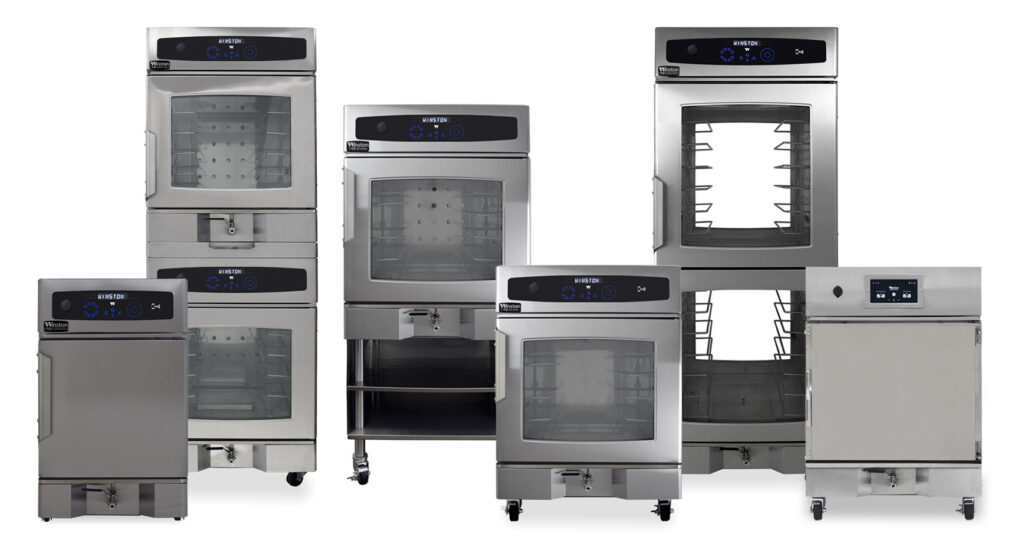
What Makes CVap Commercial Ovens the Best Ventless Cooking Oven?
With Controlled Vapor Technology, CVap ovens cook, retherm, and hold food with precision, no hood required. That means lower buildout costs, more flexibility in kitchen design, and freedom to place equipment where it actually makes sense for your operation.
Whether you’re running a school cafeteria, hospital kitchen, catering operation, or a space where installing a hood is impractical (or impossible), CVap ventless cooking gives you options other ovens can’t.
Cook Anywhere with Ventless Cooking Equipment
The problem with traditional ovens: They’re stuck under a hood. If you don’t have ductwork in a particular space, you don’t have cooking capability there. End of story.
The CVap difference: CVap ovens are certified for ventless operation, which means you can install them in places where traditional ovens simply won’t work:
- Small cafés or kiosks where space is tight
- School kitchens that need to expand service without major renovations
- Healthcare facilities providing patient meals in areas without exhaust systems
- Banquet halls and catering prep areas
- Satellite kitchens and non-traditional foodservice spaces
CVap’s Controlled Vapor Technology manages emissions, keeping grease, smoke, and steam under control without needing a traditional hood. Independent testing by Intertek Laboratories verified CVap’s ventless cooking status, so you don’t have just to take our word for it.
Real-World Applications for Hood-Free Ovens
Vent-free cooking equipment opens possibilities that traditional hooded ovens can’t match. Install CVap ventless ovens in lobbies, hallways, small prep spaces, or older buildings where adding ductwork would be cost-prohibitive. If you’ve got power and water, you’ve got options.
If you’ve been told “no hood, no oven,” CVap proves that’s not true anymore.
Ventless Cooking Saves You Real Money
Installing a traditional commercial hood system runs anywhere from $20,000 to $40,000, depending on your building layout. Then there’s annual cleaning, inspections, and the ongoing energy costs of running exhaust fans that pull your heated (or cooled) air straight out of the building.
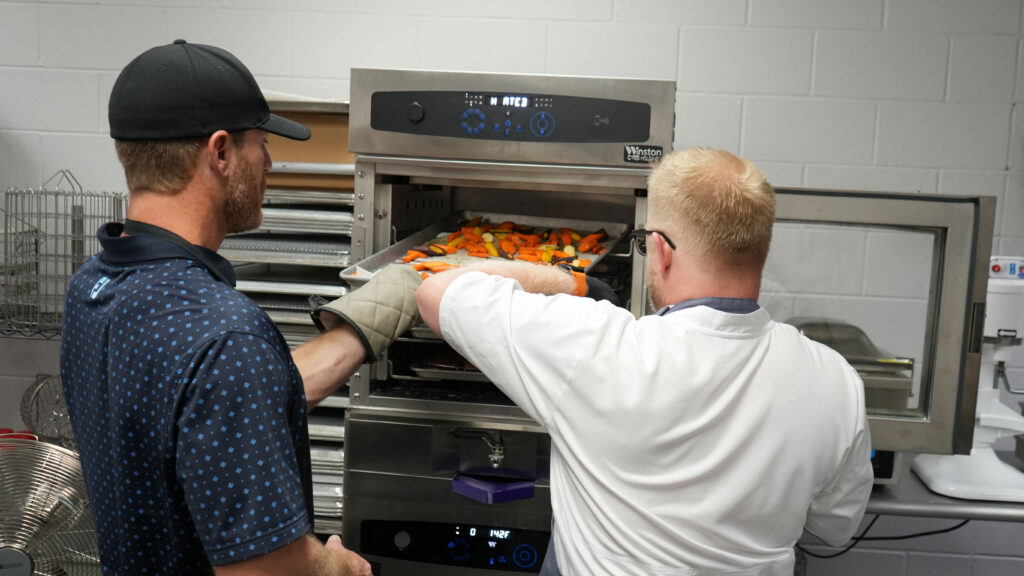
CVap ventless cooking eliminate those costs entirely.
| Factor | Hooded Oven | CVap Ventless Cooking |
|---|---|---|
| Installation cost | $20,000–$40,000+ | $0 (no hood needed) |
| Ongoing maintenance | $1,000–$2,000 annually | Minimal |
| Kitchen placement | Stuck under hood | Install almost anywhere |
| Energy efficiency | Heat and AC lost through hood | Lower (reduced emissions |
Long-Term Savings with Ventless Cooking Equipment
Potential savings: Going hoodless with CVap can save operators tens of thousands upfront and thousands more annually in maintenance and energy costs. For many operations, the oven pays for itself in avoided hood expenses alone.
No exhaust hood means no hood cleaning contracts, no makeup air requirements, and no constant battle between your cooking equipment and your HVAC system. That’s money that stays in your budget instead of disappearing up a vent.

Design Your Kitchen Your Way with Ventless Cooking
Traditional kitchen design starts with one question: where’s the hood? Everything else gets planned around that constraint. Equipment placement, workflow, service areas. all dictated by ductwork.
Ventless cooking with CVap flips that script.
When you’re not limited by hood placement, you can:
- Put cooking equipment where it makes operational sense, not just where the vents happen to be
- Expand into spaces that were previously off-limits for hot food production
- Redesign existing kitchens without the cost and disruption of new ductwork
- Open satellite service points in high-traffic areas
Flexibility in Non-Traditional Spaces
Real-world example: A school district wants to add hot meal service to a building that was never designed for a commercial kitchen. With traditional ovens, that’s a non-starter, or a massive capital project. With CVap ventless ovens, it’s just a matter of providing power and water.
That kind of flexibility matters when you’re trying to serve more people, expand your concept, or adapt to spaces that weren’t built with foodservice in mind. Vent-free cooking equipment gives you design freedom that hooded ovens simply can’t deliver.
Ventless Cooking Maintains Food Quality
Precision Without Compromise
Here’s the thing about CVap: it’s not just ventless. It’s also one of the most precise cooking and holding systems available.
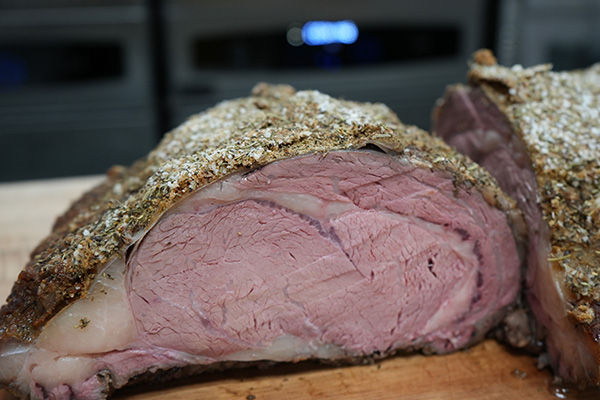
Controlled Vapor Technology separates the control of air temperature from food temperature, which means you can cook proteins to exact doneness, retherm bulk items without drying them out, and hold food at serving temperature for extended periods without quality loss.
What that means for ventless cooking:
- You’re not sacrificing food quality to go hoodless
- CVap handles bulk cooking and holding, not just single-portion items
- Works across proteins, baked goods, vegetables, and more
- Proven track record in high-volume operations like schools, hospitals, and catering
Beyond Light-Duty Applications
Some ventless cooking ovens are limited to light-duty applications or specific menu items. CVap ventless cooking ovens handle serious production work, the kind that would normally require a hooded oven, while maintaining the food quality your operation depends on.
No-hood ovens don’t have to mean compromised results. With CVap, you get the same precision cooking and holding capability that’s made Winston equipment trusted in commercial kitchens for decades.
How CVap Ventless Ovens Actually Work
CVap ovens manage emissions through Controlled Vapor Technology that keeps emissions low by design.
The result? Emissions stay low enough to meet ventless certification standards in most jurisdictions, while food cooks with the precision and consistency CVap is known for.
Certifications and Compliance
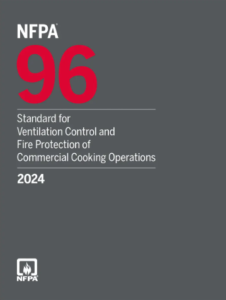
Important note: Local regulations vary. Fire, health, and building codes differ by jurisdiction, so always confirm with your local authority. NFPA 96: Ventilation Control and Fire Protection establishes the industry standard for commercial kitchen ventilation requirements. CVap ovens carry the certifications to back up their ventless status, not just marketing claims under narrow conditions.
For those who enjoy digging into the technical details (or need proof for your inspector), check out the Intertek Report on CVap Ventless Certification and the EPA Method 202 Testing Guidelines, which establishes the testing standards for emissions compliance.
Where Ventless Cooking Makes the Most Sense
Ideal Applications for Hood-Free Equipment
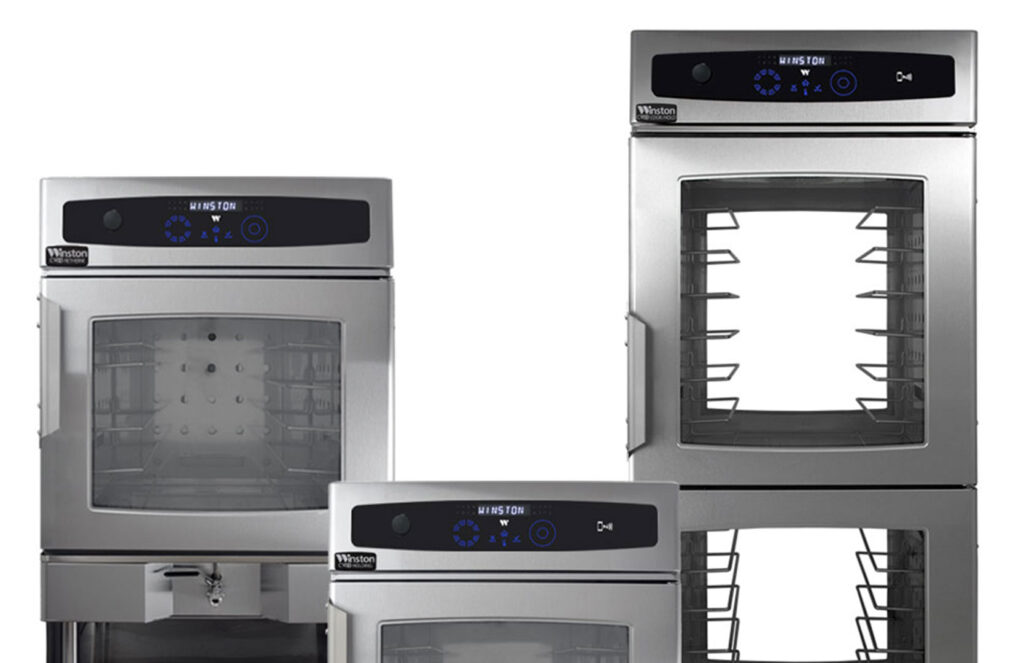
CVap ventless ovens are ideal for operations where:
- Hood installation is cost-prohibitive or impractical
- Space is limited and every square foot counts
- You need to expand service without major renovation
- Kitchen design flexibility matters more than sticking to traditional layouts
Industries Using CVap Ventless Cooking
Schools
Expand meal service without full exhaust systems. The School Nutrition Association recognizes the importance of flexible kitchen equipment for delivering quality meals in diverse school settings. Vent-free cooking equipment allows schools to serve hot meals in buildings that lack traditional commercial kitchen infrastructure.
Healthcare
Provide patient meals in spaces that weren’t designed as commercial kitchens. The Association for Healthcare Foodservice supports equipment solutions that help facilities meet patient nutrition needs efficiently. CVap’s no-hood design makes it possible to place cooking equipment closer to patient care areas.
Catering
Cook and hold in prep areas, banquet halls, or temporary setups. When your venue doesn’t have a commercial kitchen, hood-free ovens give you the flexibility to cook on-site without expensive buildouts.
Small concepts
Cafés, kiosks, and non-traditional foodservice spaces. Limited square footage doesn’t mean limited menu options when you’re not constrained by hood placement.
Frequently Asked Questions About Ventless Cooking
CVap ventless ovens aren't about speed, they're about precision and flexibility. Cook times depend on what you're making, but CVap's controlled environment ensures consistent results every time. The real advantage is being able to cook where traditional ovens can't.
CVap is designed for proteins, vegetables, baked goods, and more. While extremely grease-heavy cooking (like deep frying) still requires ventilation, CVap handles standard cooking and holding applications without issue. If you're cooking chicken, roasting vegetables, or retherming prepared foods, CVap ventless ovens handle it.
Yes. CVap ovens are certified by UL. They meet all safety and emissions standards required for commercial kitchen use. Hood-free doesn't mean regulation-free. CVap equipment is thoroughly tested and certified.
Ventless operation means you're not exhausting heated or cooled air from your kitchen. That keeps energy costs lower and makes your HVAC system's job easier. Traditional hood systems create negative pressure that pulls conditioned air out of your building. Vent-free cooking equipment eliminates that waste.
Most do, but local codes vary. Always check with your local fire marshal, health department, and building inspector before installation. CVap's certifications help, but final approval depends on your specific jurisdiction. We recommend verifying local requirements early in your planning process.
Depends on what you need. CVap excels at precision cooking, retherming, and holding. If you're looking for raw power and speed, a combi might be better. But if you need flexibility, lower cost, and ventless operation, CVap is hard to beat. Many operators use both; CVap for hood-free locations and combis where they have ventilation.
They're the same thing, different terms for commercial ovens that don't require traditional exhaust hood systems. Whether you call them ventless ovens, vent-free ovens, hood-free ovens, or no-hood ovens, they all describe equipment certified to operate without standard ventilation.
The Bottom Line on Ventless Cooking
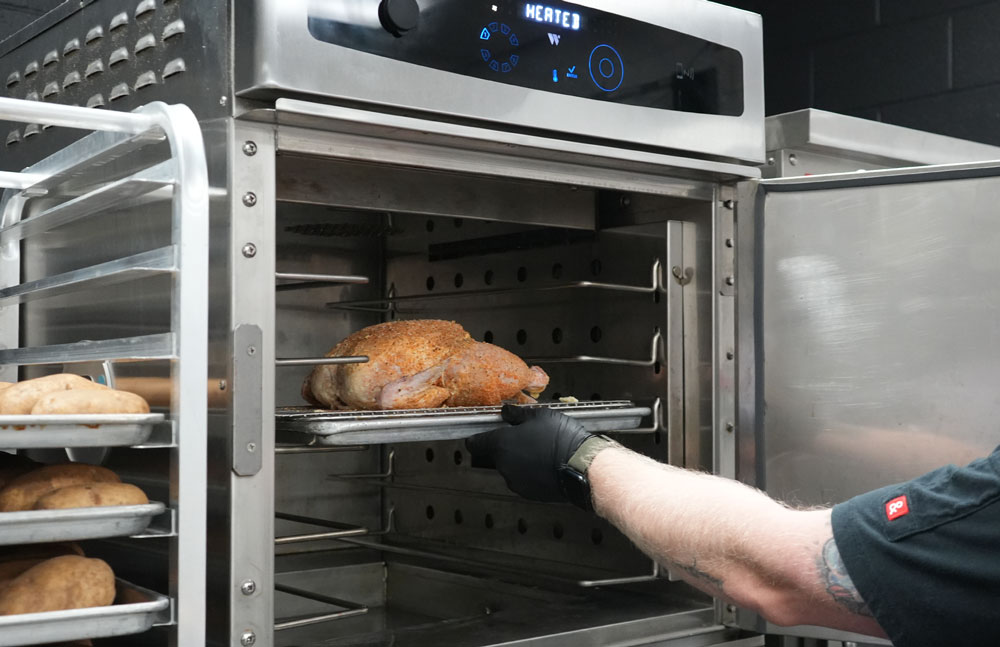
Vent hoods are expensive to install, expensive to maintain, and they dictate where you can (and can’t) cook. CVap ventless ovens eliminate those constraints.
You save money. You gain flexibility. And you don’t sacrifice food quality to get there.
Operators across schools, healthcare, hospitality, and catering already trust CVap to deliver consistent results in hoodless spaces. If you’ve been stuck designing around a hood or worse, told you can’t cook in a space because there’s no ductwork, it’s time to rethink what’s possible.
Hood-free cooking isn’t a limitation, it’s an opportunity. CVap ventless ovens prove you can have precision, quality, and flexibility without the constraints of traditional ventilation systems.
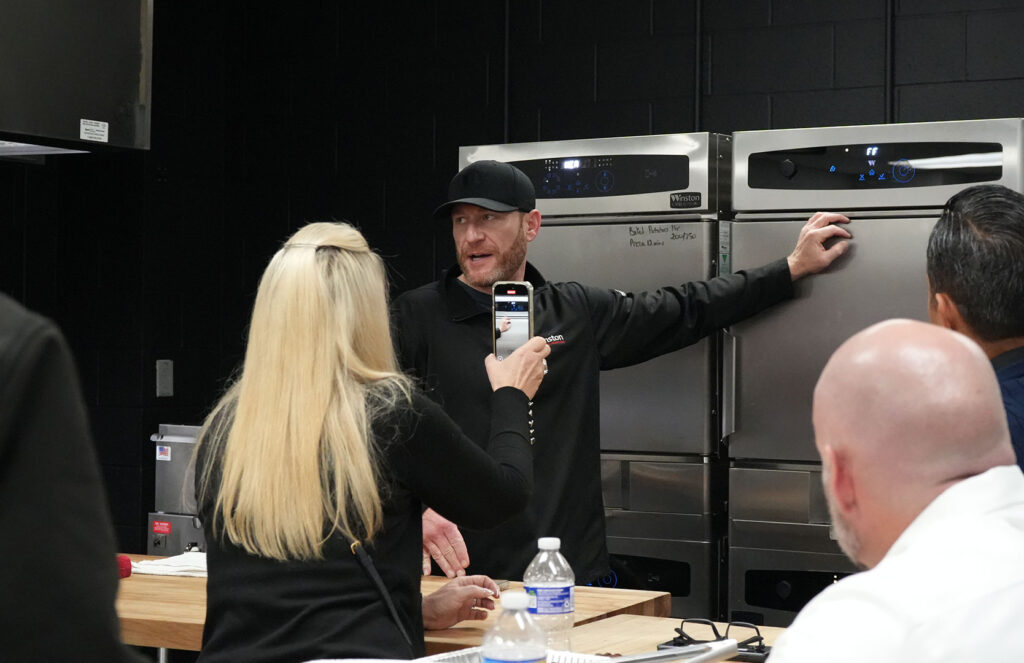
Ready to go hoodless? CVap ventless ovens cut the cost, kill the clutter, and keep your food quality intact.
Learn more about CVap ventless ovens →
Contact us to discuss your specific application →
Additional Resources
For more information about equipment standards and foodservice best practices:
- North American Association of Food Equipment Manufacturers (NAFEM) – Industry authority on commercial foodservice equipment standards and innovations