How to Get Consistent Results Every Time
Cooking and holding rice in CVap Ovens gives foodservice operators another way to approach rice production.
Rice seems simple: measure it, add water, cook it, and serve it.
In a commercial kitchen, however, getting consistent results across large batches can be much harder. Different rice varieties require different water ratios and cooking times, while pan depth, batch size, and equipment can all affect the finished product.
Too much water can leave rice sticky or mushy. Too little can leave it firm or undercooked. Once the rice is cooked, operators must maintain its quality until it reaches the serving line.
Cooking Rice in a CVap® Oven
CVap uses separate controls for heat and water vapor to manage the cooking environment. That gives operators greater control over the conditions surrounding the food instead of relying on dry heat alone.
For rice, a 200°F setting can provide a useful starting point, but the ideal process depends on the rice variety, batch size, pan depth, and CVap model.
Basmati Rice Recipe:
This recipe is used by a Winston customer in their operation.
Ingredients
- 2 pounds Basmati rice, approximately 4 cups
- 4 pounds of water, approximately 7 3/4 cups
- Salt to taste, if desired
Preparation
- Rinse the rice thoroughly three times.
- Soak the rice for two hours.
- Strain the rice and place in a 2-inch, full size hotel pan.
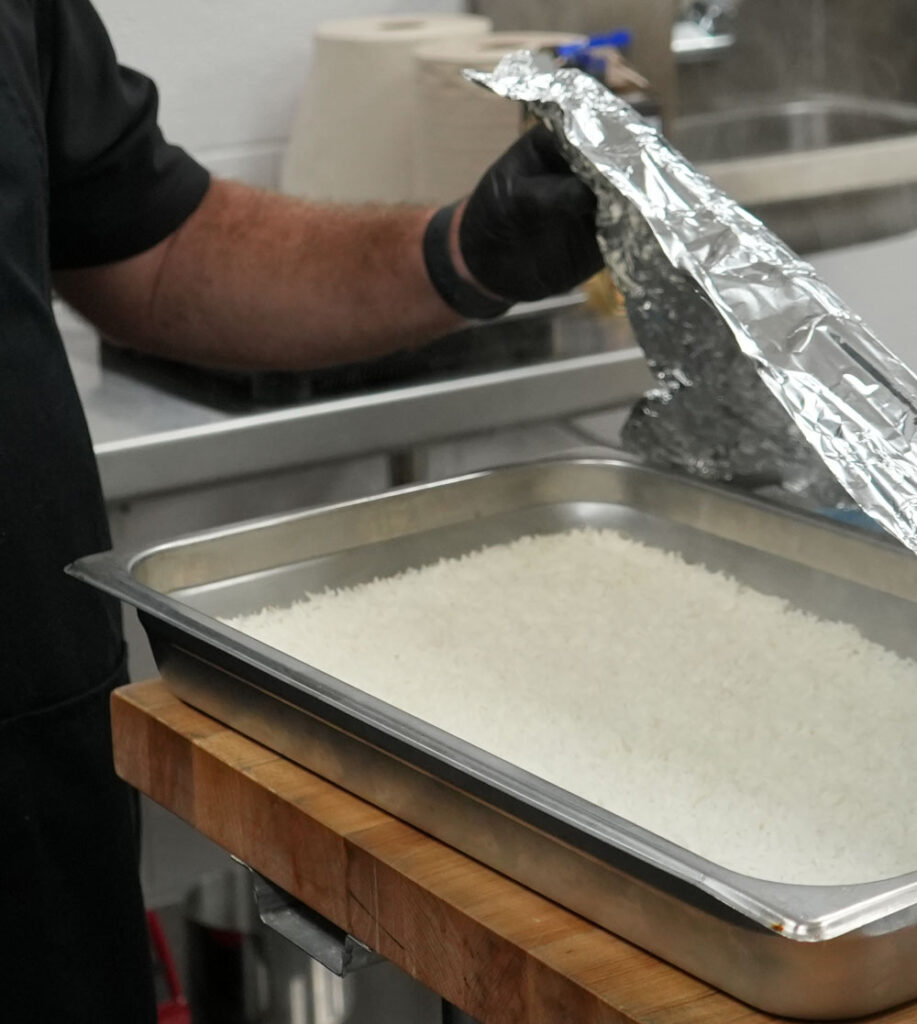
- Add the measured water and cover tightly with foil.
CVap Settings
- Vapor temperature: 200°F
- Air temperature: 200°F
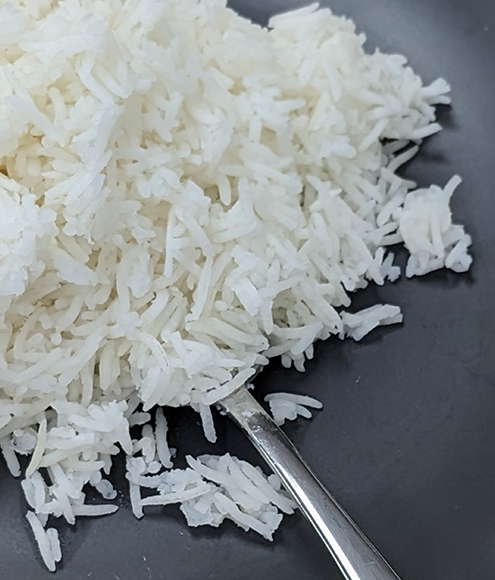
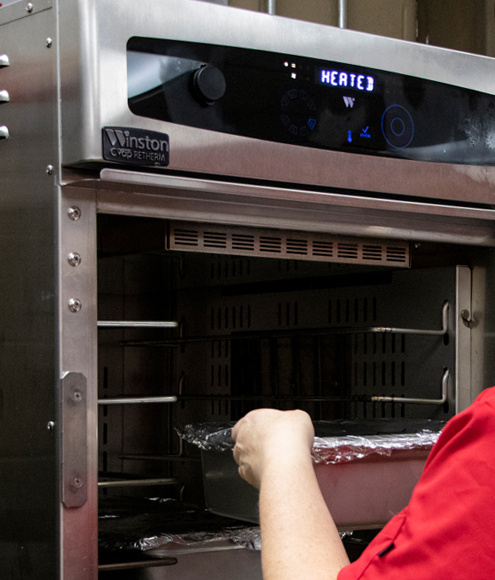
Place the covered pan in the preheated oven, start the cycle, and allow the rice to finish cooking. Fluff before serving.
This is a starting recipe, not a universal formula. Operators should test the process with their specific rice, pan configuration, batch size, and CVap model.
One Oven, Multiple Rice Varieties
Rice variety makes a difference. In one CVap test, five types of rice were prepared in the same oven:
- Brown rice
- Enriched long-grain white rice
- Parboiled long-grain white rice
- Basmati rice
- Short-grain sushi rice
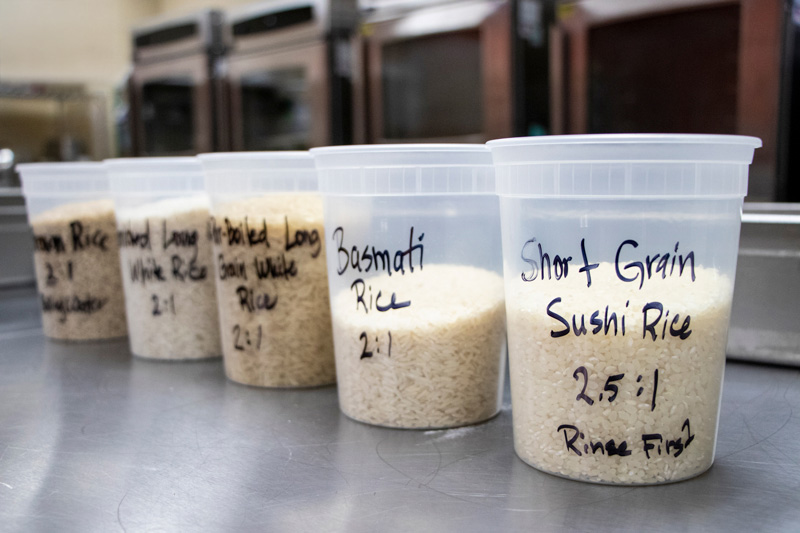
For most of the varieties tested, a 2:1 water-to-rice ratio provided a useful starting point. Sushi rice required more water, approximately 2.5:1 in this test.
The rice was placed in hotel pans, covered with parchment and foil, and cooked at 200°F Vapor and 350°F Air.
Approximate cooking times were:
- Sushi rice: 15 minutes
- Enriched long-grain white rice: 25 minutes
- Parboiled long-grain white rice: 25 minutes
- Basmati rice: 25 minutes
- Brown rice: 40 minutes
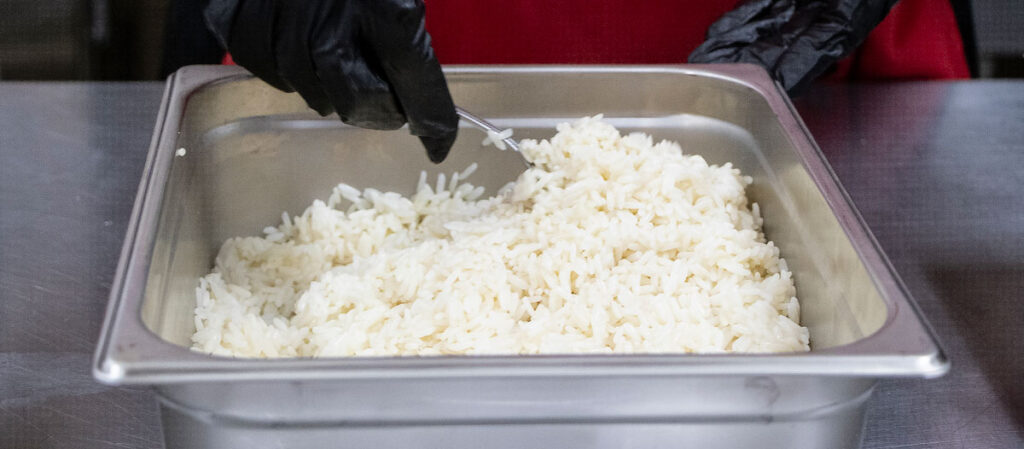
The results were fully hydrated, tender rice with good grain integrity. Brown rice took the longest to cook, while sushi rice required closer attention because it can easily be overcooked.
After cooking, allow the rice to rest for a few minutes before removing the cover and fluffing.
The takeaway is straightforward: when cooking and holding rice in CVap, the variety of rice matters. Water ratio, cooking time, pan depth, and equipment settings should all be part of the recipe development process.
Cooking Is Only Half the Equation
Getting rice cooked correctly is one part of the process. Keeping it in good condition until service presents another challenge.
Cooked rice can support the growth of Bacillus cereus, a naturally occurring spore-forming bacterium. Proper time and temperature control are therefore important throughout cooking, cooling, storage, reheating, and hot holding.
Rather than automatically cooking, cooling, storing, and reheating rice, operators can build a hot-holding process around CVap.
Hot Holding Rice in CVap
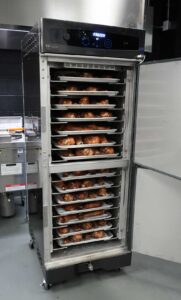
CVap Holding Cabinets and Cook and Hold Ovens provide a controlled environment for maintaining cooked food until it is needed.
Winston testing and customer feedback have shown that rice can be held for extended periods while maintaining good quality. In one example, rice was held for more than 14 hours and still produced great results.
For operations preparing rice for fried rice or other next-day applications, one possible workflow is:
- Cook the rice in CVap.
- Maintain the cooked rice in a CVap holding environment.
- Hold the rice hot overnight according to the operation’s approved food-safety procedures.
- Use the rice for service or as an ingredient the following day.
A starting point for hot-holding rice is approximately 150°F Food Temperature and Food Texture at 0. Operators should verify settings and results for their specific food, equipment, menu, and food-safety requirements.
This approach can eliminate unnecessary chilling and reheating steps while giving the kitchen more control over when rice is ready.
CVap is More Than a Rice Cooker
The value of CVap goes beyond cooking a good batch of rice.
A CVap Cook and Hold Oven can become part of a larger production system, allowing operators to cook food ahead of service and maintain it until it is needed. That flexibility can be especially useful for high-volume operations, long service windows, changing schedules, and batch production.
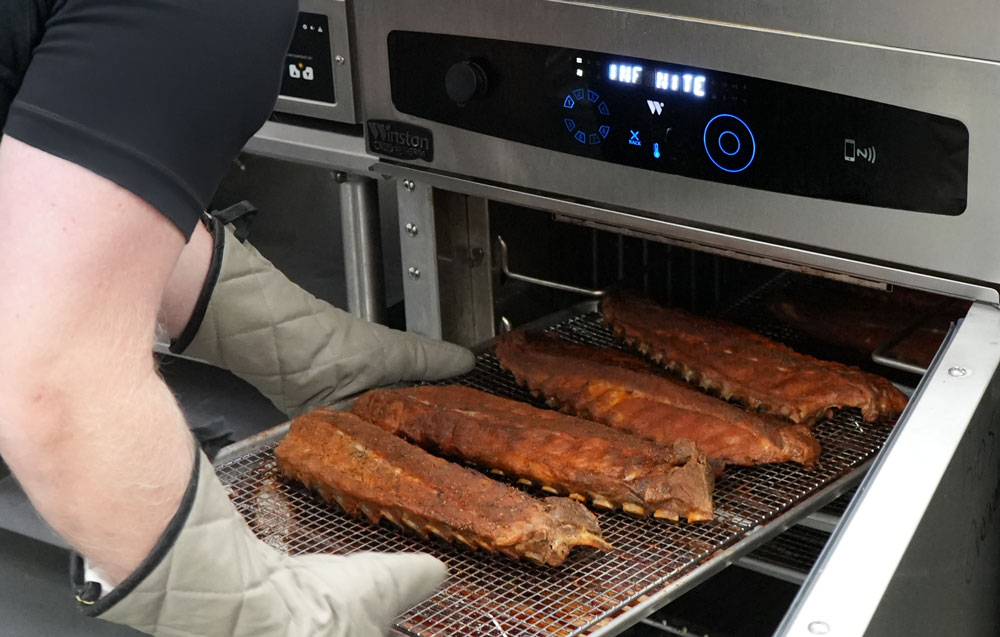
And rice is just one application.
The same CVap equipment can support a wide range of cooking and holding tasks, helping operators get more from the equipment already in their kitchen.
Find the Rice Process That Works for You
There is no single rice recipe that works for every variety, kitchen, pan configuration, or CVap model.
Start with the rice variety and establish the appropriate water ratio. Then test pan depth, batch size, cooking time, and CVap settings until you have a repeatable process.
Once that process is dialed in, rice production becomes less about chasing the perfect batch and more about repeating a process that works.
Cook it. Hold it. Serve it.
CVap gives you more control over all three.
For food safety, always follow applicable FDA Food Code, state and local requirements, and your operation’s approved HACCP procedures when cooking, holding, cooling, storing, or reheating rice.
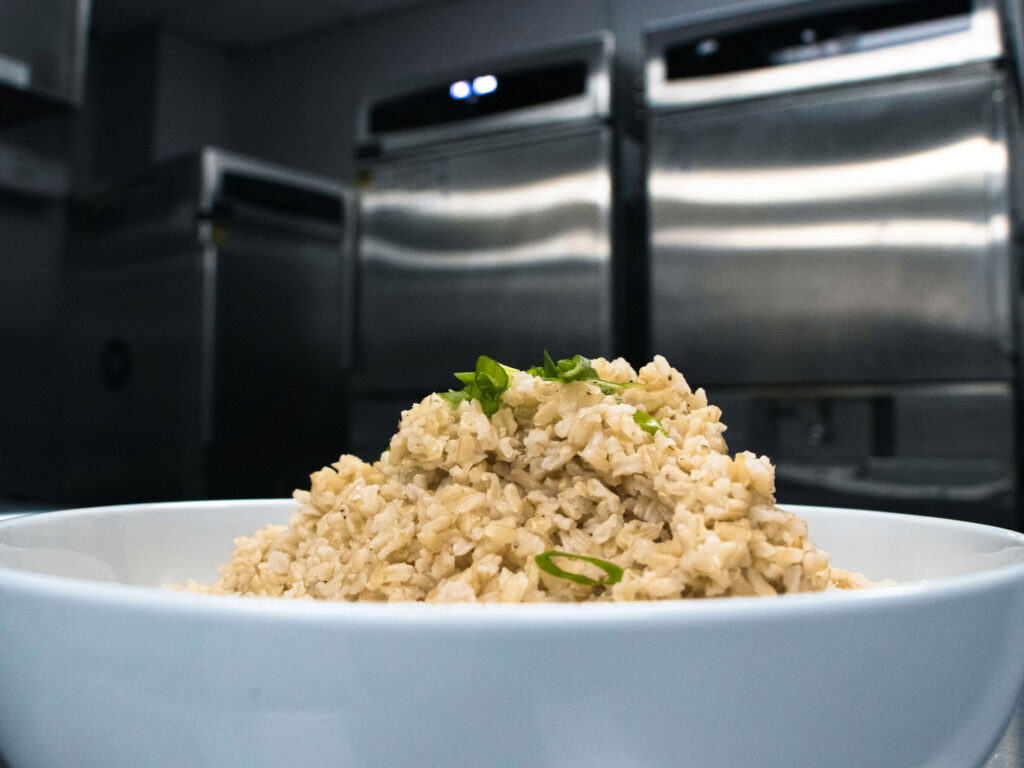
Do you have questions about cooking and holding rice in CVap or any other process?
Contact our experts to purchase from Winston or plan your equipment settings.