How to Keep Your Commercial Oven Running Like It Means Business
Your oven works hard. In a busy kitchen, your Winston CVap oven is likely the most reliable unit on the line. But even the best equipment needs a little love.
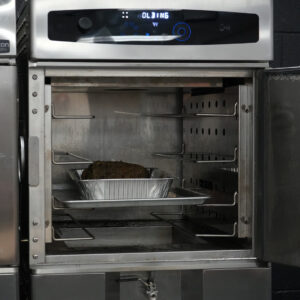
Grease, crumbs, and food debris don’t just look messy. They can mess with flavor, slow performance, and, in worst cases, create a smoke risk. The good news? A smart, simple cleaning routine keeps your CVap performing exactly the way it was designed to.
Here’s how to do it right (without making it complicated).
Make Daily Oven Cleaning a Habit
Busy kitchens love to push cleaning to “later.” We don’t recommend that.
A quick daily wipe-down keeps buildup from turning into a full-blown science project. Build cleaning into your closing routine and make it part of the team’s standard flow.
Pro tip: Evening cleanings work best. Leave the door open overnight so everything air dries properly.
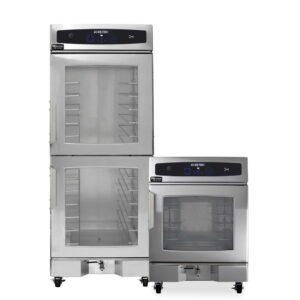
Want equipment that’s easier to maintain in the first place?
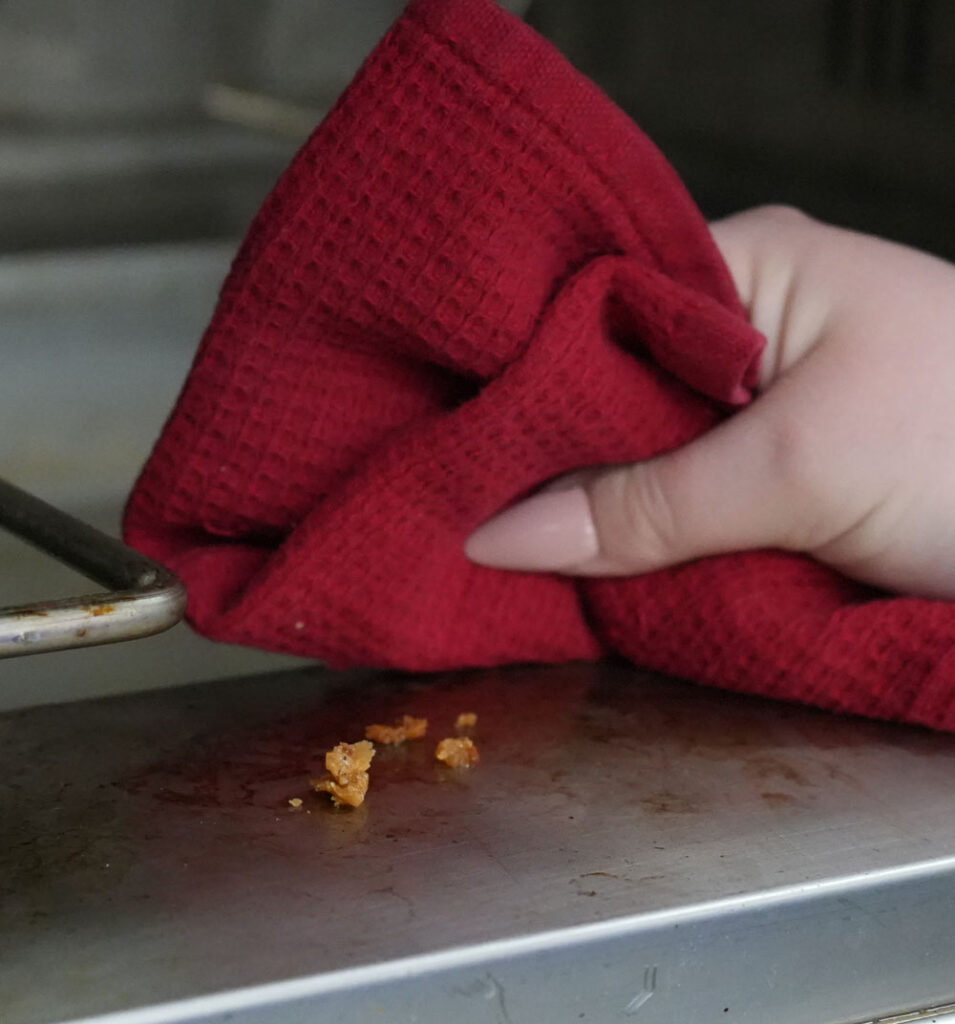
Don’t Let Crumbs Take Over
Crumbs seem harmless… until they’re not.
Left sitting in the oven, they can:
- Affects food flavor
- Create unpleasant odors
- Produce smoke (and nobody wants that)
- Increase fire risk
Make it a habit to clear debris from:
- Oven floor
- Corners
- Trays and pans
This small step goes a long way toward protecting food quality and extending equipment life.
Give Racks the Attention They Deserve
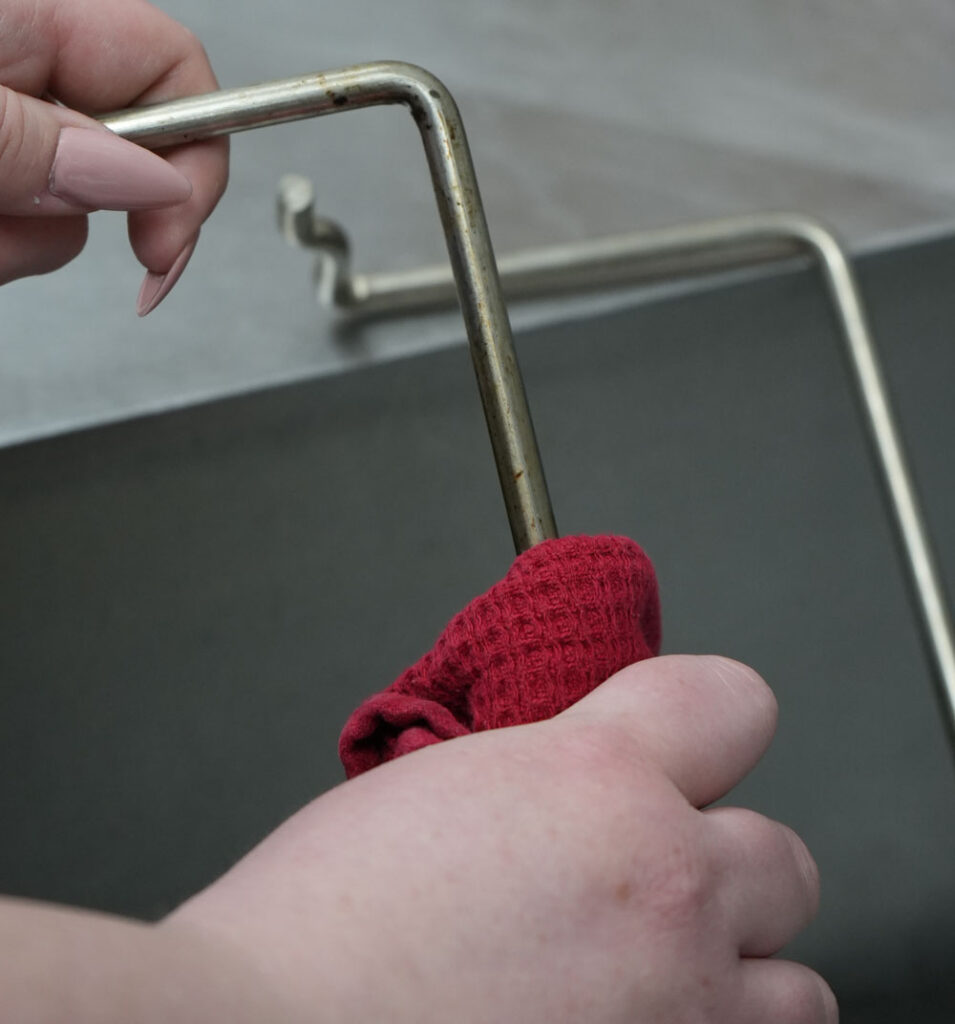
Racks catch more than their fair share of buildup.
Pull them out regularly and clean them separately in hot, soapy water. For stubborn residue, use a non-abrasive pad or soft brush — no need to go medieval on it.
Before sliding racks back in:
- Make sure they’re completely dry
- Check for any remaining debris
Consistent rack care helps your CVap oven maintain proper airflow and performance.
Don’t Forget the Inside Walls and Doors
With racks removed, it’s time for the quick win.
Most well-maintained CVap ovens clean up beautifully with:
- Warm water
- Mild detergent (if needed)
- Soft cloth or towel
Because CVap technology manages moisture differently than traditional ovens, you’ll often find less baked-on carbonization to fight.
Important:
- Avoid harsh abrasives
- Follow your model’s care guidelines.
- Pay attention to fan areas to maintain strong airflow.
If you’re unsure about cleaning compatibility, your owner’s manual has your back.
Check out our guide to caring for your stainless steel HERE.
There you will find a little more detail on what steps to take and what solvents to use and what not to use.
Go the Extra Mile with Monthly Deep Cleans
Daily cleaning keeps you out of trouble. Monthly cleaning keeps you ahead of it.
Once a month, take a few extra minutes to inspect:
- Vents
- Fans
- Hinges
- Door gaskets
- Exterior surfaces
Look for grease or buildup that daily wipes might miss. A deeper clean helps your CVap maintain the consistency it’s known for.
For a full overview of these steps, watch our CVap CHV Preventative Maintenance Video below:
Need help building the right maintenance plan?
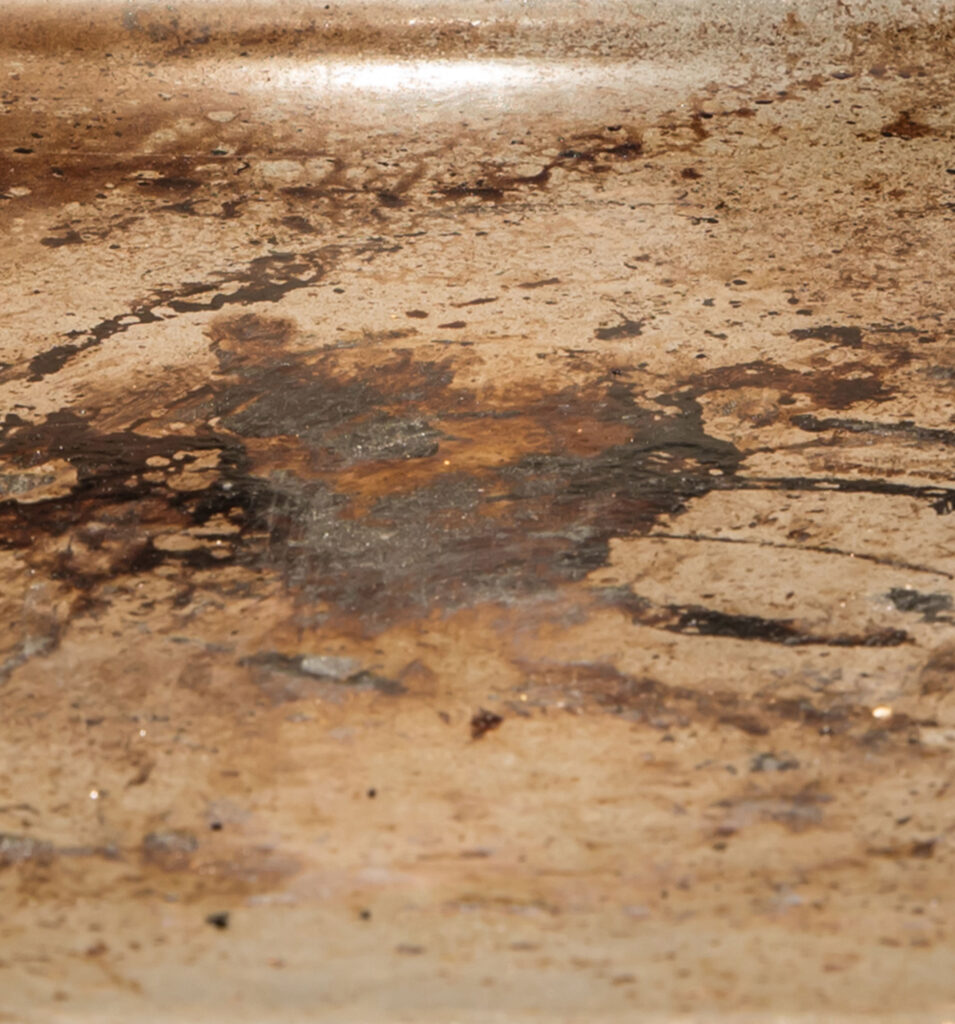
Clean Up Spills Right Away
Here’s the rule: fresh spills are easy. Carbonized spills are not.
When boil-overs or drips happen, clean them up as soon as the oven is safe to touch. Your future self (and your closing crew) will thank you.
Immediate cleanup helps:
- Prevent baked-on residue
- Maintain consistent performance
- Reduce end-of-day scrubbing marathons.
Safety Tip: Be sure to unplug your unit first and make sure your equipment is cool before starting your cleaning process.
Keeping Your Oven Clean: Why It Matters
Cleaning is just part of the food industry game. It’s got to be done. It’s important for food safety and the longevity of your equipment. Check out our top 5 reasons to maintain your equipment.
A consistent routine keeps your Winston CVap oven running the way it was built to run steady, reliable, and ready for the rush.
If you want equipment designed to make consistency easier (and cleaning less painful), CVap is built for exactly that.