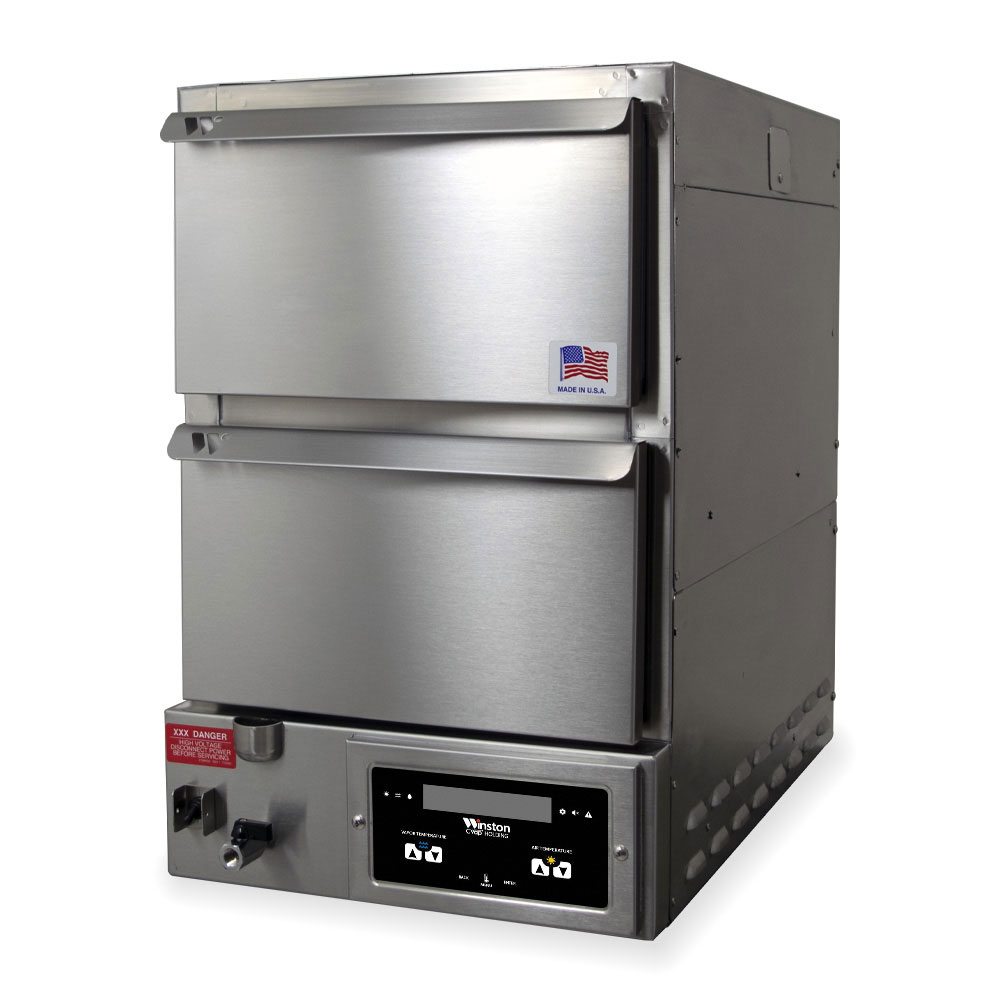
A commercial warming drawer keeps prepared food hot and ready to serve, while also helping maintain its quality, temperature, and texture. Restaurants, schools, healthcare facilities, caterers, hotels, and other foodservice businesses use warming drawers to hold food before service, manage busy times, and ease pressure on the kitchen during rush periods. But not all commercial warming drawers work the same way.
Traditional dry warming drawers use heated air to keep food warm. Humidified drawers add moisture to help prevent food from drying out. Winston CVap® Hold & Serve Drawers use Controlled Vapor Technology to manage both temperature and moisture, giving operators more control over food quality.
If you are comparing commercial warming drawers, this guide explains how they work, what foods they can hold, the sizes and configurations available, and the key features to consider when choosing equipment
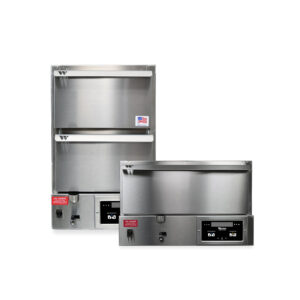
What Is a Commercial Warming Drawer?
A commercial warming drawer, sometimes called a restaurant or food warming drawer, is a heated compartment that holds prepared food at the right serving temperature until it is needed. Unlike cooking equipment, a warming drawer is mainly for holding and staging food, not for cooking raw food from start to finish. It lets you prepare food ahead of busy times and keep it ready until orders are served.
Commercial warming drawers can be used for foods such as:
- Cooked meats
- Chicken
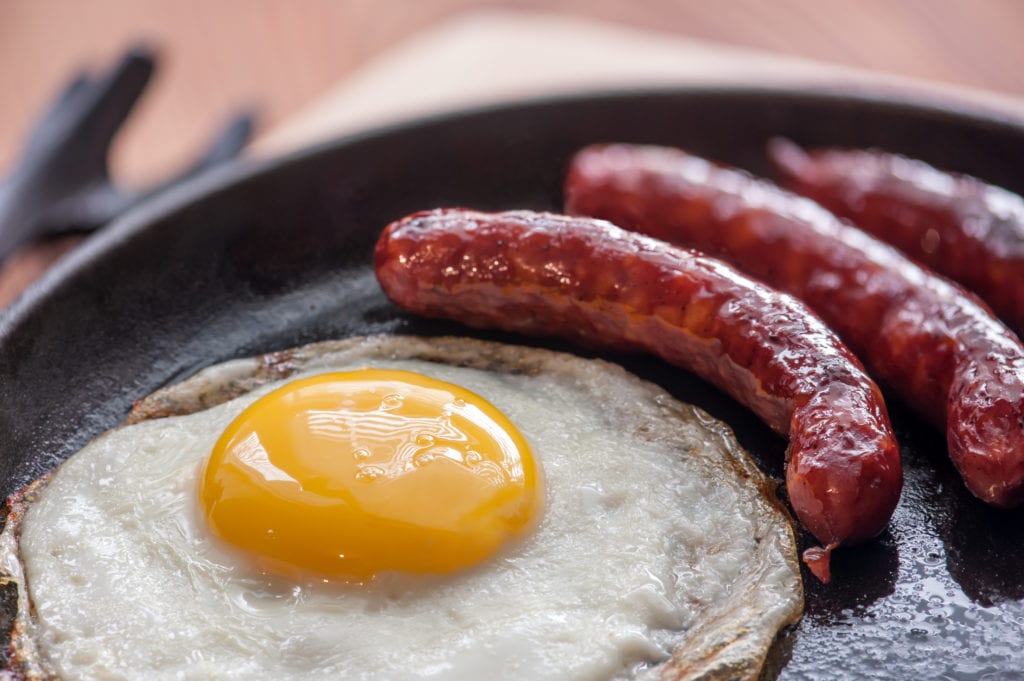
- Eggs and breakfast foods
- Vegetables
- Side dishes
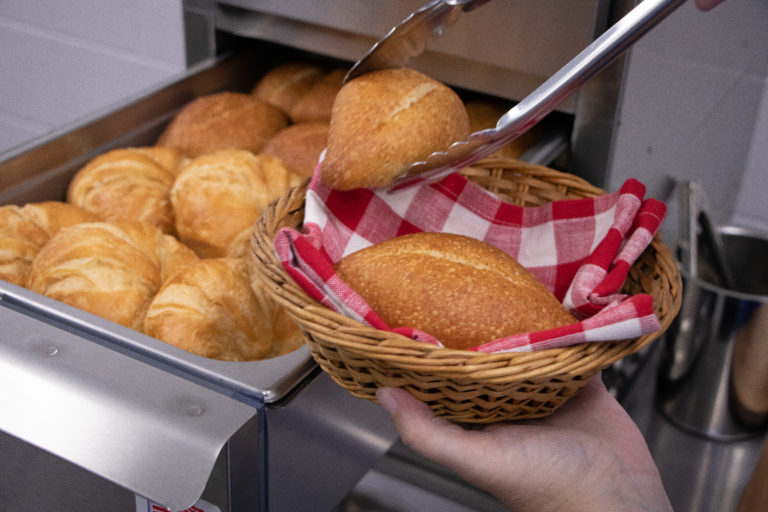
- Bread and rolls
- Prepared entrées
- Baked goods
- Other foods that need to remain warm before service
For food safety, operators should follow all relevant food codes and their facility’s HACCP procedures. In the United States, the FDA Food Code usually requires hot food to be held at 135°F or above, but local rules may differ.
How Does a Commercial Warming Drawer Work?
A commercial warming drawer uses a heating system and temperature controls to keep food at the chosen temperature.
The basic process is simple:
- Food is prepared.
- Food is placed into the warming drawer.
- The operator selects the desired temperature or holding setting.
- The heating system maintains the drawer environment.
- Food remains staged and ready for service.
The main difference between warming drawers is how they transfer heat to the food and manage moisture.
Dry Heat Warming Drawers
Traditional warming drawers use heated air to keep food warm. They work well for short-term holding, but over time, the heated air can dry out the food.
That can lead to:
- Dry meat
- Toughened edges
- Reduced yield
- Changes in texture
- Lower food quality during extended holding
Humidified Warming Drawers
Humidified warming drawers add moisture to the holding environment. This helps reduce moisture loss compared to dry heat.
This gives operators another way to maintain food quality, especially for foods that tend to dry out while being held.

CVap Controlled Vapor Warming Drawers
CVap uses a different method.
Instead of mainly using heated air, CVap uses heated water vapor to control food temperature. Dry air heat manages how quickly moisture leaves the food.
This gives operators separate control over two key factors:
Food temperature + food texture
What Is CVap Controlled Vapor Technology?
Controlled Vapor Technology (CVap) is Winston Foodservice’s method of controlling food temperature and moisture using two separate heat sources.
In a CVap warming drawer:
- Water vapor controls food temperature.
- Dry air controls surface moisture and texture.
This separation gives operators more control than a standard dry warming drawer.
Want food to stay moist? Adjust the settings accordingly.
Need to protect a food’s surface texture? Adjust the vapor and air settings to match the application.
The goal is not just to keep food hot, but to control what happens to the food while it is being held.
What Are Commercial Warming Drawers Used For?
Commercial warming drawers are especially helpful when a kitchen needs to prepare food ahead of time and keep it ready without cooking each order as it comes in.
Restaurants
Restaurants can use warming drawers to stage proteins, sides, breakfast foods, and other menu items before and during busy service periods.
Instead of starting from scratch with each order, operators can prepare food in advance and keep it warm until it’s needed.
Schools and K-12 Foodservice
School kitchens often serve many meals in a short period. Warming drawers help staff hold food between preparation and serving times.
They can be used for breakfast foods, entrées, vegetables, sides, and other menu items that need to remain hot until students arrive.
Healthcare Foodservice
Healthcare kitchens need steady temperature control and reliable holding for meals prepared for patients and staff.
Warming drawers offer a dedicated space to keep prepared food organized and ready to serve.
Catering
Caterers use commercial warming drawers to keep prepared food warm before an event or during service.
Depending on the setup, warming drawers can also be used in mobile or temporary foodservice operations.
Quick-Service Restaurants
Quick-service restaurants and other busy kitchens use warming drawers to hold food during peak times. This helps them keep up with demand without relying only on cook-to-order methods.
Hotels and Breakfast Operations
Warming drawers are helpful for holding breakfast foods, like eggs, protein, and other prepared items, during long breakfast service hours.
What Foods Can You Hold in a Warming Drawer?
A commercial warming drawer can hold many kinds of prepared food, but the best temperature and environment depend on what you are holding.
| Chicken | Moisture retention and surface texture |
| Beef | Moisture loss, shrinkage, and texture |
| Pork | Moisture retention during extended holding |
| Eggs | Preventing overcooking and drying |
| Vegetables | Maintaining temperature and texture |
| Breakfast foods | Staging for high-volume service |
| Bread and rolls | Preventing excessive drying |
| Prepared entrées | Temperature consistency and holding time |
| Side dishes | Maintaining serving temperature and quality |
It’s important to remember that not every food should be held in the same way. Crispy foods may need a different environment than delicate proteins. If a warming system only controls air temperature, operators have fewer options to adjust. CVap is built to give operators more control over these factors.
Can a Warming Drawer Hold Crispy Food?
Yes, depending on the type of food and the equipment used.
Crispy foods are tricky because they need some moisture, but too much can make them soggy. Too little moisture can dry them out.
This is why controlling the holding environment is so important.
With CVap, operators can adjust the balance between vapor and dry air to help keep the food texture they want, instead of just adding more humidity.
The best settings depend on the type of food, the texture you want, how long it will be held, and the kitchen conditions.
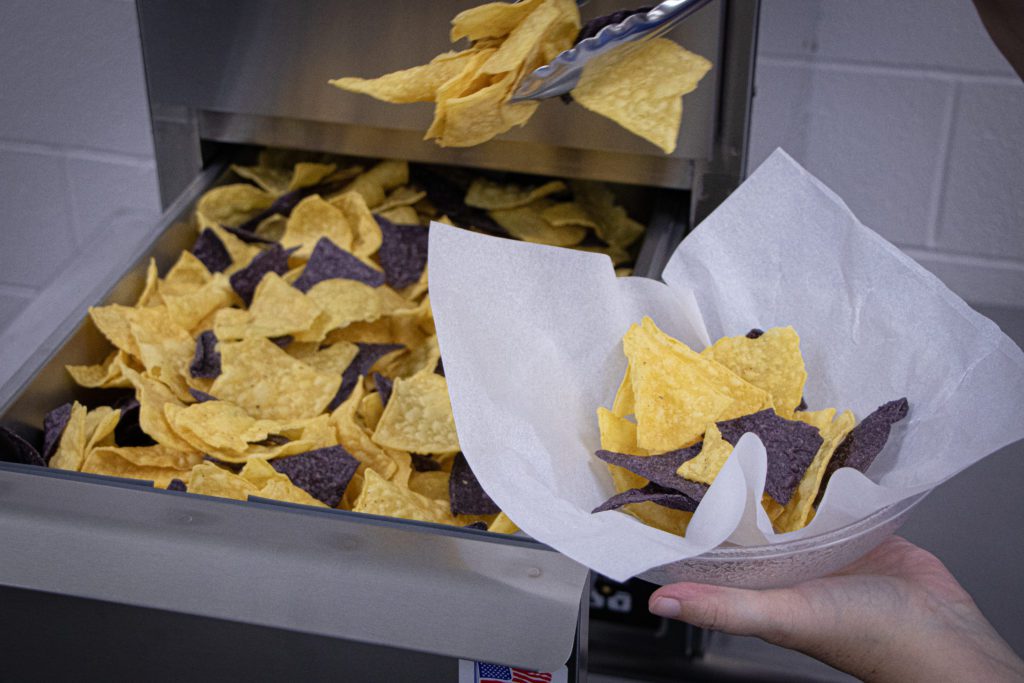
Commercial Warming Drawer Temperature

Temperature control is one of the most important things to consider when choosing a warming drawer.
A commercial warming drawer should offer enough temperature control to handle the foods you want to hold and keep them safely hot.
Winston CVap Hold & Serve Drawers operate from 90°F to 180°F, providing a broad temperature range for different holding applications.
Operators should always follow food safety regulations and their own procedures when setting holding temperatures.
Commercial Warming Drawer vs. Food Warmer
People often use the terms commercial warming drawer, food warming drawer, and commercial food warmer to mean the same thing.
The main difference between them is how they are set up.
A warming drawer has separate drawers that can be loaded, opened, and accessed one at a time. This is helpful when you want to:
- Hold different foods separately
- Organize food by station
- Keep frequently accessed foods within easy reach
- Fit equipment underneath counters
- Add warming capacity without installing a large cabinet
For kitchens with limited space, warming drawers are a practical way to add more holding capacity.
What Should You Look for in a Commercial Warming Drawer?
Choosing a warming drawer is about more than just comparing temperatures and prices. Think about how you will use the equipment during service.
1. Temperature Control
Look for temperature controls that are accurate and easy to set the same way every time.
Digital controls make it easier for staff to choose and repeat the same settings from shift to shift.
Winston CVap drawers use digital controls with a 90°F to 180°F operating temperature range.
2. Moisture Control
Temperature is just one part of the picture.
If food will be held for a long time, managing moisture is important for keeping quality high.
Dry warming drawers primarily use heated air. Humidified drawers add moisture. CVap gives operators control of both vapor and air.
3. Recovery After Opening
Every time a warming drawer is opened, heat can escape.
In busy kitchens, drawers may be opened many times during service, so how quickly the drawer recovers heat is important.
Choose equipment that can quickly return to the right temperature and keep conditions steady, even after frequent openings.
4. Capacity
Think about how much food you need to hold at once.
Warming drawers are available in different configurations and capacities. Before purchasing, determine:
- Number of drawers needed
- Drawer dimensions
- Pan compatibility
- Available counter or under-counter space
- Typical food volume
- Peak service requirements
Choose a capacity that matches how much food you really need to hold, not just the biggest unit you can find.
5. Countertop vs. Built-In Installation
Warming drawers can be installed in different ways depending on the model.
Countertop units are flexible and easier to move for cleaning or rearranging the kitchen.
Under-counter units help you use kitchen space that might otherwise go unused.
Built-in units look more integrated but need careful planning for installation, space, airflow, and access for service.
Always follow the manufacturer's instructions for installation and ventilation.
6. Construction and Durability
Commercial equipment should be built to handle frequent use.
Look for:
- Stainless steel construction
- Durable drawer slides
- Removable drawers
- Easy-access components
- Commercial-grade controls
- Surfaces that can be cleaned and sanitized easily
7. Ease of Cleaning
A warming drawer should be easy to clean, since spills, food debris, and grease are common in any commercial kitchen.
Features like removable drawers, easy-to-reach interiors, smooth surfaces, and covered heating elements make cleaning easier.
8. Energy Use
Energy use is another thing to consider, especially for equipment that runs all day.
When comparing equipment, check the electrical needs, insulation, heating system, how quickly it recovers heat, and how often it will run.
9. Service and Parts Support
Commercial equipment is a big investment. Before buying, consider the manufacturer's service network, parts availability, documentation, and technical support.
Why Foodservice Operators Choose CVap Warming Drawers
Winston CVap Hold & Serve Drawers are built to hold food longer and keep it fresher. Instead of just keeping a box hot, CVap lets operators control the conditions around the food.
The technology combines:
Vapor Heat – Controls evaporation and surface moisture.
Dry Air Heat – Controls food temperature.
Together, these controls let operators fine-tune the holding environment for different foods. This is especially helpful when you need to hold food for longer periods, prepare food ahead of busy times, or keep results consistent across different shifts.
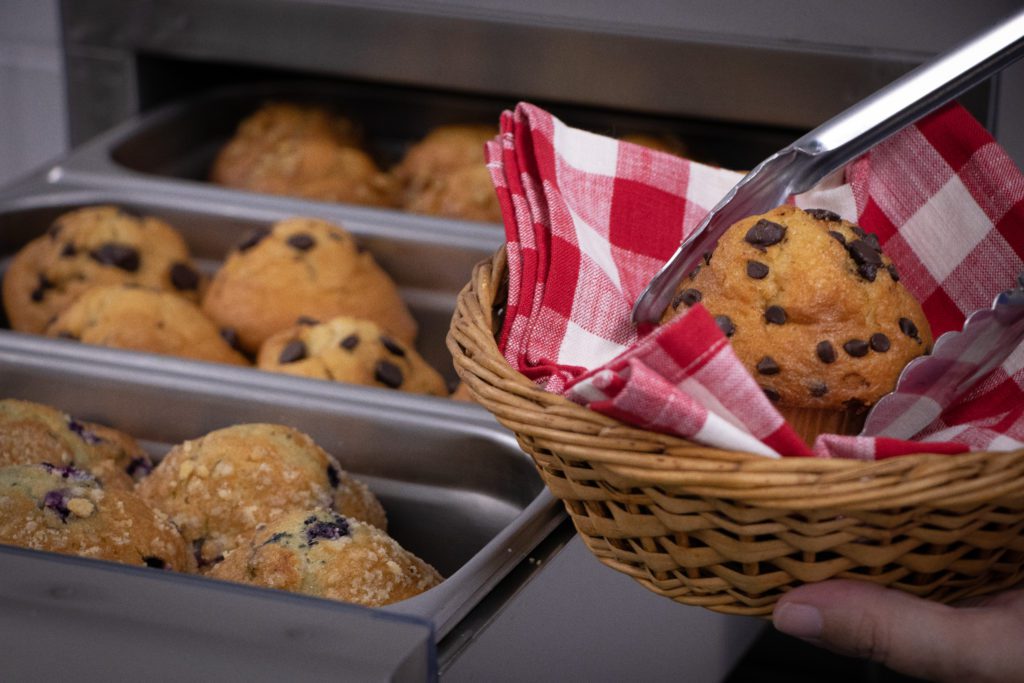
CVap Warming Drawers vs. Traditional Warming Drawers
The main difference is how each type of equipment holds food.
| DRY WARMING DRAWER | HUMIDIFIED WARMING DRAWER | CVAP WARMING DRAWER | |
|---|---|---|---|
| Heated Air | Yes | Yes | Yes |
| Adds Moisture | No | Yes | Yes |
| Independent Vapor and Air Control | No | Limited | Yes |
| Direct Food Temperature Control Through Vapor | No | No | Yes |
| Control Over Surface Moisture | Limited | Limited | Yes |
| Designed for Extended Holding Applications | Depends on Food Product | Yes | Yes |
The best equipment for you depends on your operation, the food you serve, how long you need to hold it, your available space, and how much control you want.
Are Commercial Warming Drawers Worth It?
For kitchens that often prepare food ahead of time, a commercial warming drawer adds valuable holding space and makes workflow more flexible.
The benefit is more than just having a place to keep hot food.
The right warming drawer can help your operation:
- Stage food before peak service
- Reduce last-minute cooking
- Improve kitchen organization
- Maintain more consistent holding conditions
- Keep food ready for service
- Make better use of limited kitchen space
If food quality during holding is especially important for your operation, the type of heating and moisture-control technology matters as much as the drawer itself.
Frequently Asked Questions About Commercial Warming Drawers
What temperature should a warming drawer be set to?
The appropriate setting depends on the food, holding application, and applicable food-safety requirements. Operators should follow local food codes and their facility's food-safety procedures.
Can you put meat in a warming drawer?
Yes. Commercial warming drawers are commonly used to hold prepared meats. The appropriate temperature, moisture level, and holding time depend on the specific food and application.
Can a warming drawer keep food moist?
Some warming drawers add humidity to reduce moisture loss. CVap warming drawers use heated vapor and dry air control to manage both food temperature and moisture.
Can you hold crispy food in a warming drawer?
Yes, but crispy foods require careful moisture management. Too much moisture can soften a crispy exterior. CVap allows operators to adjust vapor and dry-air conditions based on the desired texture.
Are warming drawers good for restaurants?
Yes. Restaurants can use warming drawers to stage prepared food, support high-volume service, and keep food ready between preparation and serving.
Are warming drawers used in schools?
Yes. Warming drawers can help school foodservice operations hold and stage prepared meals during breakfast and lunch service.
What is the difference between a warming drawer and a holding cabinet?
A warming drawer provides individual pull-out compartments, while a holding cabinet generally provides a larger enclosed cabinet for holding multiple pans of food. The best choice depends on available space, capacity requirements, workflow, and the types of food being held.
Can a warming drawer be used for cooking?
Most warming drawers are designed primarily for holding prepared food rather than full cooking applications. If cooking, overnight cooking, or retherming is required, an oven designed for those processes may be more appropriate.
Choose the Right Commercial Warming Drawer for Your Operation
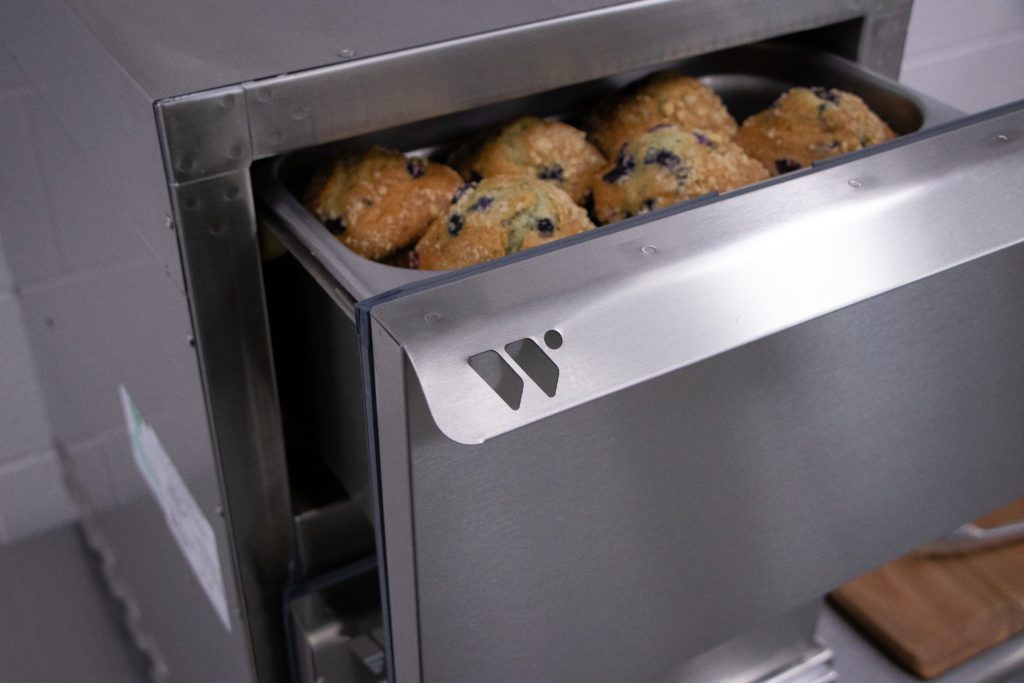
A commercial warming drawer should do more than just keep food hot. The right equipment should fit your kitchen, support your workflow, offer good temperature control, and help keep food quality high.
Winston CVap Hold & Serve Drawers give you extra control by managing both temperature and moisture.
Need help choosing the right equipment? Contact Winston Foodservice to talk about your needs for application, capacity, and holding.