Chargrilled burgers and flame‑grilled proteins leave no room for shortcuts. The grill is where flavor is built, texture is defined, and the brand’s promise is delivered. When it’s right, the food speaks for itself. When it’s compromised, guests notice immediately.
For chefs running high‑volume burger kitchens, the challenge isn’t understanding how to grill. It’s protecting grill‑driven quality when volume, timing, and labor collide. That’s where CVap Technology comes in.
What Really Happens During a Rush
Chargrilling is inherently variable. Every load pulls heat from the grill. Patty thickness varies. Grill zones behave differently as recovery time stretches. Experience on the line matters more as pressure increases. During peak periods, grills are often asked to cook raw product while simultaneously recovering for the next order.
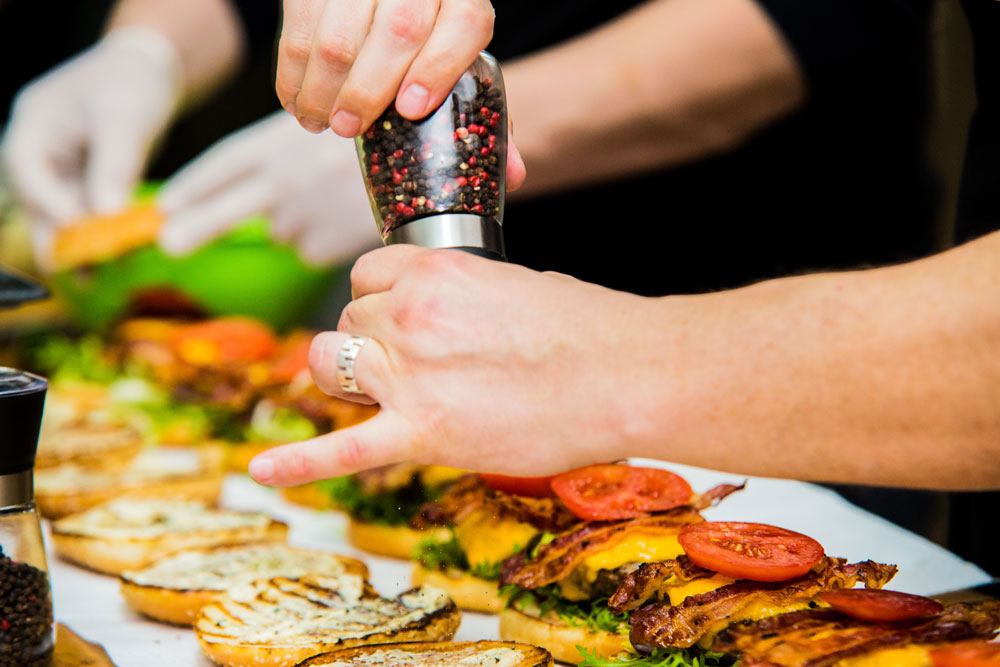
As ticket times lengthen, kitchens adapt. Burgers are cooked ahead of demand. The product is staged in cooler zones or held longer than intended. In some cases, patties are pressed to accelerate cooking or partially cooked and returned to the grill later for finishing. These aren’t careless decisions. They are practical responses to an overloaded system.
When the grill becomes both the cooking platform and the holding solution, consistency suffers. Moisture is lost, doneness drifts, and the final product becomes harder to control from burger to burger. From a chef’s standpoint, this is the real frustration: knowing what the food should be, but fighting the flow to get there.
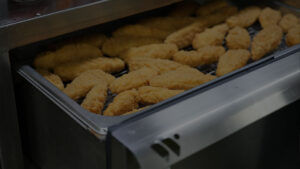
Watch to see how burger master, Chef Paul Wahlberg uses CVap to stage Wahlburgers patties.
Letting the Grill Focus on Finishing
More kitchens are rethinking the role of the grill itself. Instead of asking it to solve every operational problem, chefs are separating temperature management from flame finishing.
In practice, burgers and premium proteins can be managed in two different ways depending on the concept and volume profile.
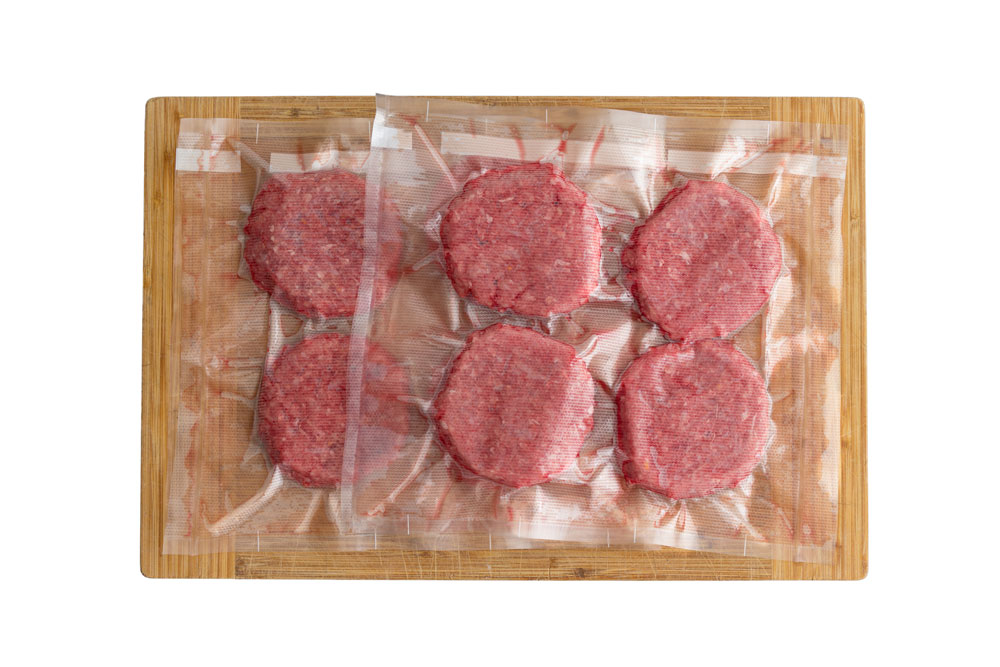
One approach uses precision cooking. Proteins are brought to a very specific internal temperature using low‑temperature or sous‑vide‑style methods, then held in a tightly controlled environment until service. When fired, they go straight to the flame for final char, marks, and caramelization. Doneness is already locked in. The grill finishes the product, not rescues it.
A second approach, more common in high‑volume burger operations, establishes grill flavor earlier in the process. Burgers receive initial grill marks in one direction, setting surface flavor and visual identity.
From there, they move into controlled holding that protects internal temperature and moisture. When an order is called, burgers return to the grill for a fast cross‑mark and finish. Total grill time drops to roughly two to three minutes instead of five, while the guest still sees a burger coming off the flame.
In both cases, the grill is freed to do what it does best: finish with fire.
The grill gets the credit.
Winston keeps it honest.
Why CVap‑Style Holding Changes the Equation
Traditional holding has earned its reputation. Too much heat dries food out. Too much moisture softens surfaces and kills texture. But controlled holding is different when temperature and humidity are managed together.
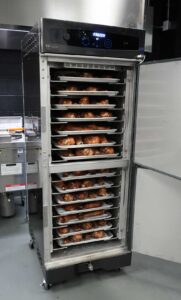
CVap Holding creates a stable environment where burgers can wait without being damaged. Internal temperature is maintained without forcing moisture out of the product or steaming the surface. When burgers return to the grill, they behave predictably, allowing cooks to focus on marks, timing, and finish instead of recovery.
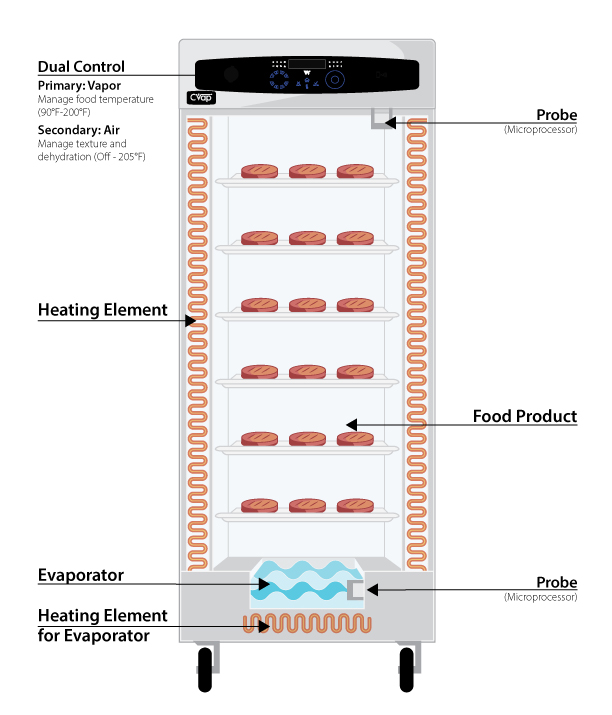
Used correctly, controlled holding helps:
- Protect juiciness and yield before final grill contact
- Maintain doneness consistency during long peaks
- Reduce the temptation to press, overcook, or shortcut
- Give cooks confidence that every burger will finish the same way
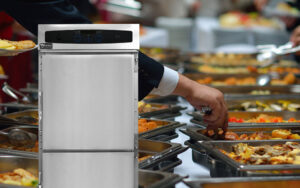
Winston CVap is designed for exactly this role. Not as a replacement for the grill, but as its partner. It creates the controlled buffer that flame‑first kitchens need to protect both moisture and flavor when demand is highest.
Throughput Without Compromising the Food
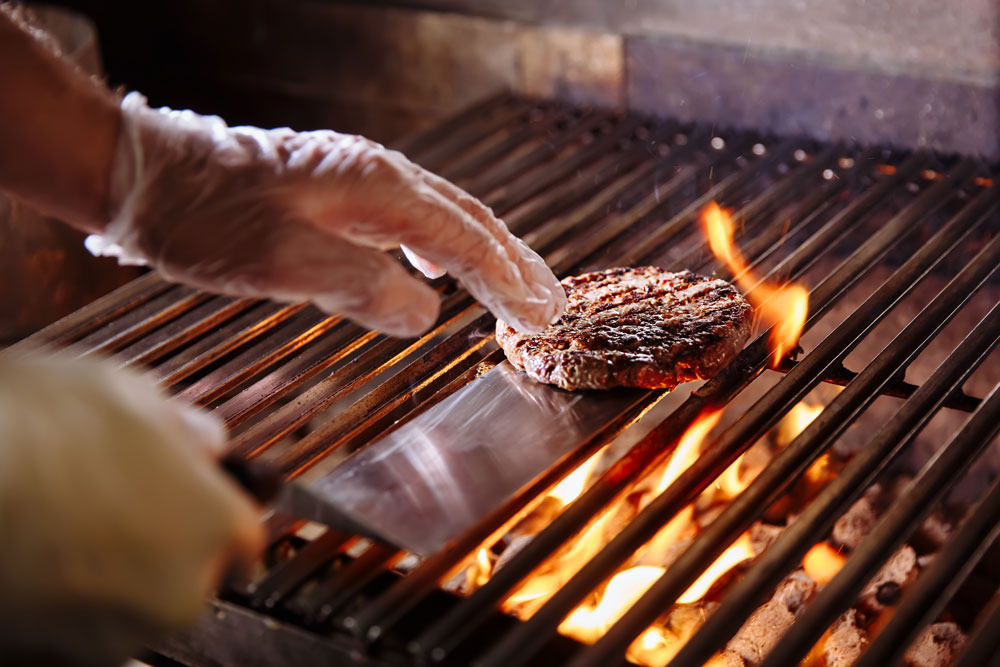
Flame‑grilled brands are built on credibility. Guests trust that the burger they receive was cooked properly, not managed around constraints. A thoughtful cook‑hold‑finish strategy doesn’t change the food. It protects it.
By pairing controlled holding with flame finishing, chefs gain breathing room during the rush while keeping the grill at the center of the experience. The result is food that tastes the way it should, even at full volume.
Chargrilling will always be about fire, timing, and feel. The right holding partner simply gives chefs control everywhere else. Give us a shout! Let’s talk about how CVap can upgrade your flame-grilled burger game.