
Donald Schaper
Director of Sales, CFSP
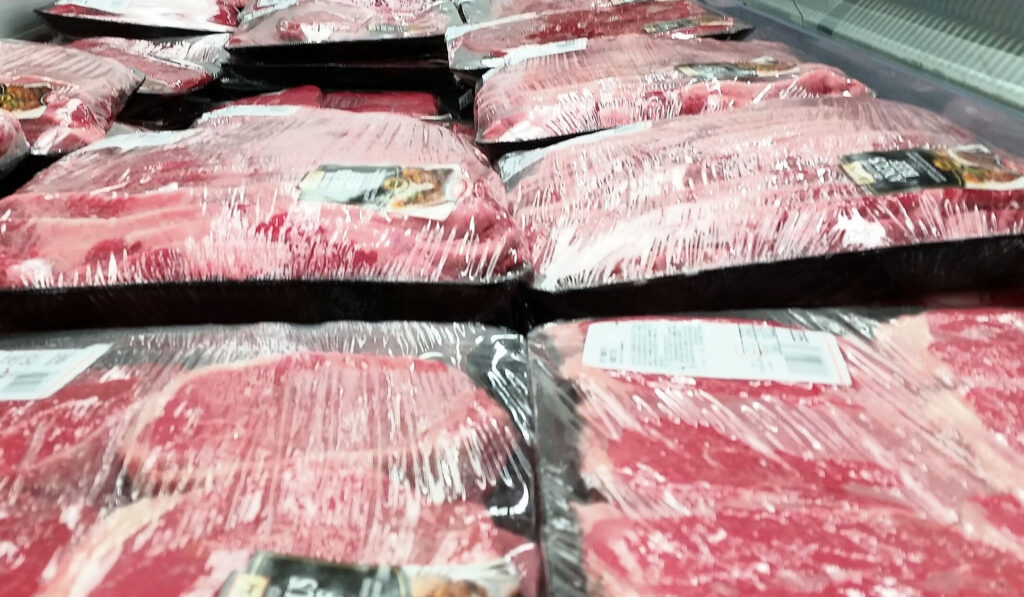
Look, we’re not going to sugarcoat this: the commercial foodservice industry is getting absolutely hammered by beef prices. All‑time highs. No real relief in sight. And if beef is a menu staple for your operation, you’re feeling it exactly where it hurts most, your already razor‑thin profit margins. But here’s where things get interesting.
Winston’s CVap technology can reduce per‑portion beef costs by up to 26% through dramatically improved yields, turning a profit crisis into a competitive advantage.
Understanding the Perfect Storm of Rising Beef Prices
Beef costs continued their steep climb through late 2025. Ground beef prices reached $6.69 per pound by December, up 15.5% year‑over‑year, according to the latest Bureau of Labor Statistics data. Steak prices hit $12.51 per pound, surging 17.8% compared to the previous year and significantly outpacing mid‑2025 increases.
Yeah, your invoices aren’t wrong. You really are paying that much. These aren’t short‑term spikes that smooth out next quarter. This is a slow‑building pressure system that’s reached the tipping point.
The primary driver? Supply. The U.S. cattle herd fell to 86.7 million head as of January 1, 2025, the smallest in 74 years, according to USDA data. Multi‑year droughts across major beef‑producing regions forced ranchers to downsize herds as feed costs surged and pastures dried up. High interest rates and inflation only compounded the problem, making it financially risky for producers to rebuild.
Then there’s trade policy volatility. Earlier in 2025, Brazilian beef imports surged to become the third-largest supplier to the U.S., with imports up 56% year-over-year. These imports faced tariffs as high as 76.4% at one point. While the 40% retaliatory tariff imposed in July was later removed, the unpredictability continues to wreak havoc on supply planning.
The bottom line: there’s less beef available, and what you can get costs more than ever.
And now for the part that should really sting.
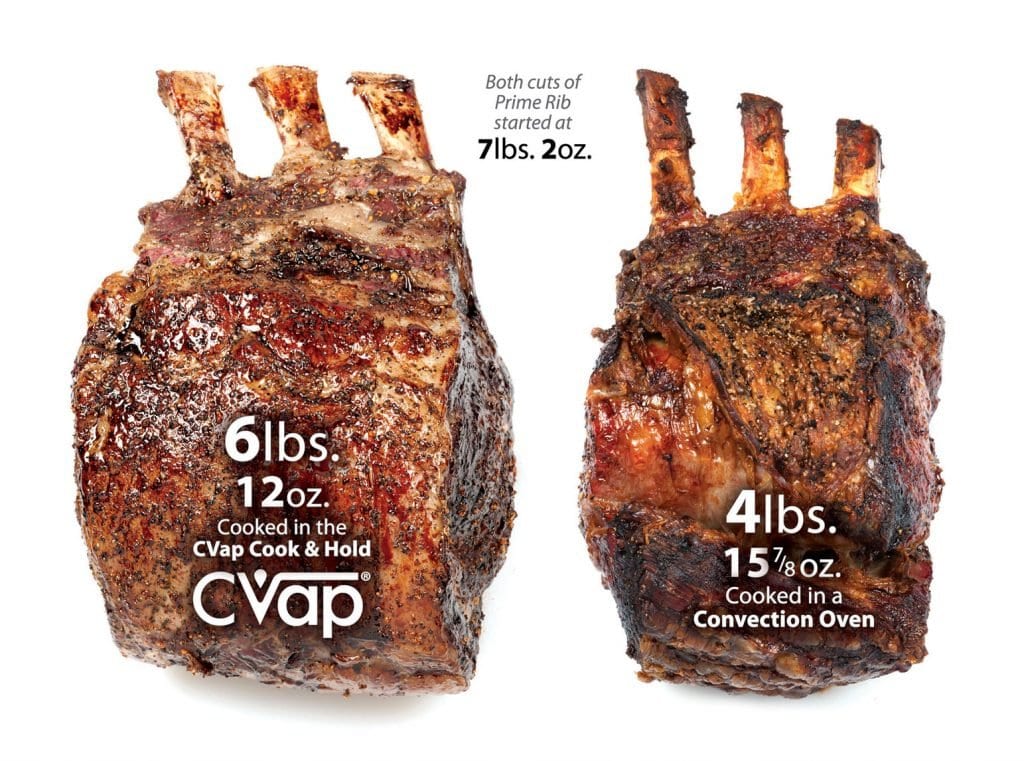
With traditional ovens, 25-30% of every roast evaporates during cooking. At over $18 per pound for prime rib, that’s roughly $4.50 per pound disappearing into thin air. Real money. Gone. That’s exactly where CVap changes the equation.
How High Beef Costs Impact Restaurant Profit Margins
Operators today are stuck choosing between three bad options: absorb the cost increase and watch margins shrink, raise menu prices and risk customer pushback, or shrink portions and hope guests don’t notice.
Let’s be honest, all three kind of stink.
Across the country, operators report beef costs nearly doubling in some categories. A Texas barbecue operator cited paying almost twice as much for hamburger meat in just a few months, with traffic down 5% across six locations. An Omaha sandwich shop raised its flagship burger from $8.95 to $11.95, driven almost entirely by meat costs. Others are seriously considering pulling brisket and prime rib off menus altogether.
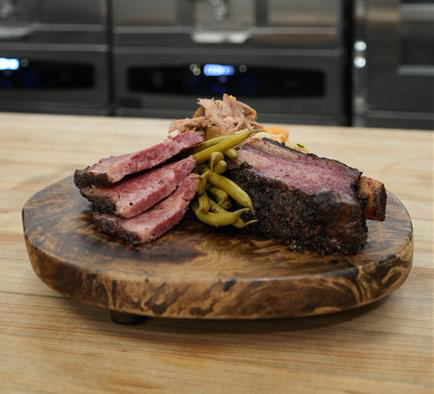
Here’s the kicker: demand hasn’t disappeared. Roughly 60% of U.S. beef consumption flows through foodservice, and guests still want their steaks, burgers, and prime rib, even at premium prices.
So, the real question isn’t whether you serve beef. It’s whether you’re losing 30% of that expensive protein to shrinkage or capturing significantly more yield with CVap. That difference? That’s the line between profitable and struggling.
Stop Evaporating Money in Your Oven: Controlling Beef Shrinkage
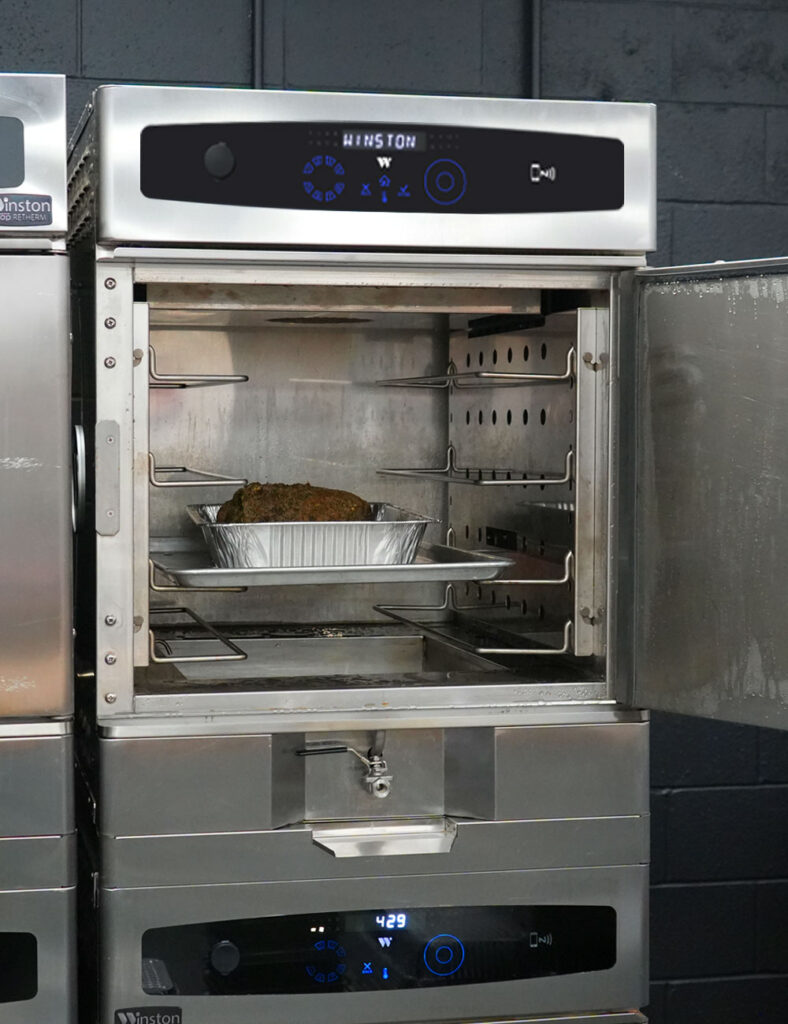
Here’s the reality check: you can’t control beef prices. Nobody can.
But you can control how efficiently you use every pound of meat that enters your kitchen.
Traditional cooking methods bleed money through moisture evaporation and shrinkage. And at today’s beef prices, that adds up fast. Cook a prime rib conventionally, and you could lose 25-30% of its weight before it ever hits a plate.
Winston’s CVap technology stops the bleeding.
CVap independently controls both temperature and moisture, unlike conventional equipment that manages air temperature alone. By controlling evaporation while achieving precise doneness, CVap delivers higher yields, more servings, and better food cost percentages.
This isn’t just better cooking. It’s precision moisture control that changes your kitchen economics, period.
The Kitchen Math: CVap ROI and Beef Cost Savings
Pricing, yields, and savings examples are illustrative and based on published industry data and Winston ROI analysis. Actual results vary by operation. Let’s run the numbers using a realistic, premium‑market scenario. For a deeper breakdown of how Winston calculates yield and ROI, see our Kitchen ROI math guide.
Starting Point
- 7 lb. 2 oz bone‑in rib roast (7.125 lb. total)
- Hypothetical cost: $18.56 per pound
- Total raw cost: $132.24
Traditional Convection Cooking
- Raw weight: 114 oz
- Typical cook yield: 70%
- Cooked weight: 80 oz
- Portions: 5 × 16‑oz servings
- Cost per serving: $26.56
Winston CVap Cooking
- Raw weight: 114 oz
- Typical cook yield: 90-95%*
- Cooked weight: 108 oz (in optimal conditions)
- Portions: 6.75 × 16‑oz servings
- Cost per serving: $19.52
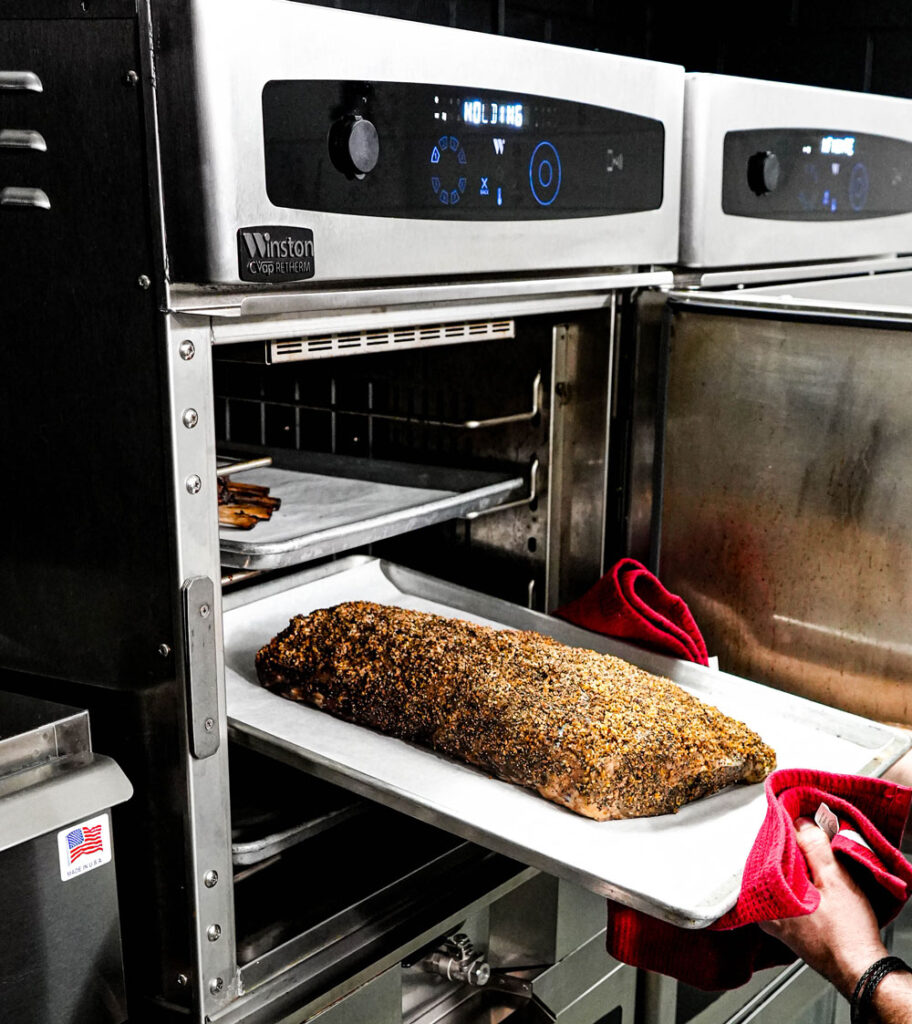
*While CVap can achieve yields as high as 95% with cuts like tenderloin under optimal conditions, most operations see yields in the 90-92% range for prime rib and similar cuts. Brisket and tougher cuts typically yield lower but still dramatically outperform conventional methods. This example uses optimal conditions to demonstrate maximum potential savings.
The Difference
- Convection: $26.56 per serving
- CVap: $19.52 per serving
- Per‑portion savings: $7.04
That’s a 26% reduction in beef cost per plate, from the exact same cut of meat.
At a Glance: CVap vs. Convection
• Same 7 lb. 2 oz roast
• Same $18.56/lb. beef cost
• $7.04 saved per plate
• 26% lower cost per serving
• 35% more portions from the same roast
Reducing Beef Shrinkage Across Your Operation
Now scale it.
Let’s say 100 portions per day, 6 days per week (313 days annually).
- Daily savings:
$7.04 × 100 = $704 - Annual savings:
$704 × 313 = $220,352
This isn’t revenue from selling more beef. This is money you’re currently losing to shrinkage…money that could be going straight to your bottom line. Even accounting for equipment investment, CVap ROI can be realized in as little as two weeks in high‑volume scenarios. And because CVap improves yields across beef, pork, chicken, and fish, the savings compound fast. Suddenly, that equipment investment doesn’t look like an expense. It looks inevitable.
Beyond Yield: The Complete Operational Advantage of CVap Technology
Yield alone justifies CVap, but it’s not the whole story.
- Predictable Consistency: CVap delivers repeatable results regardless of who’s cooking, allowing tighter inventory planning and fewer 7‑PM sell‑outs.
- Better Inventory Control: Higher yields mean more servings from the same product, critical when last‑minute beef purchases come at premium spot prices.
- Labor Efficiency: CVap requires less hands‑on intervention, freeing skilled labor for plating, service, and hospitality.
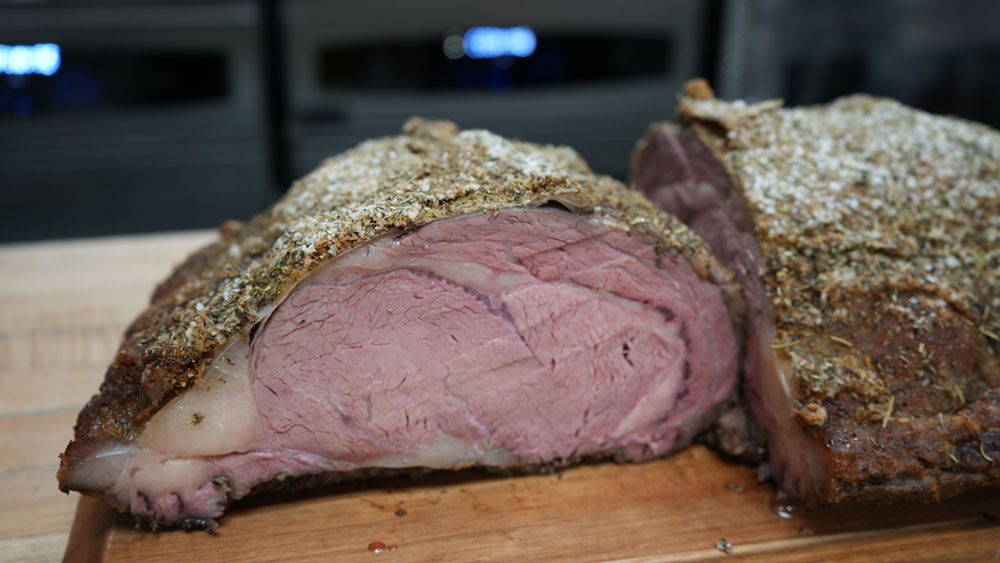
- Quality Guests Notice: Higher moisture retention means juicier, more tender beef, consistently. And consistency builds repeat business. Explore CVap equipment options for your operation.
A Strategic Investment for Uncertain Times
Industry analysts expect beef prices to remain elevated through 2026 and into 2027, with retail prices potentially breaking the $ 10-per-pound barrier for the first time. Meaningful herd rebuilding has been pushed to 2027 at the earliest, as the slow process depends on favorable weather, stable feed costs, and ranchers’ willingness to invest in expansion rather than continue selling at current high prices.
In this environment, equipment that pays for itself through reduced food cost and keeps delivering savings year after year isn’t a luxury. It’s a competitive necessity.
The operators who will win are the ones investing now, controlling what they can, and refusing to let shrinkage quietly drain their profits.
Control What You Can Control
You can’t control cattle markets, drought cycles, or trade policy. But you can control what happens in your kitchen. When beef costs what it does today, making sure every ounce makes it to a plate instead of evaporating into the ether isn’t just smart cooking, it’s smart business.
Go ahead. Promote beef. CVap protects your margins when others can’t.
High beef prices are the real culprit, but shrinkage in your current equipment is making it worse.
Want to see what this math looks like in your kitchen? Talk to a Winston specialist and run the numbers for your operation or explore our full line of CVap equipment today. Your bottom line will thank you.