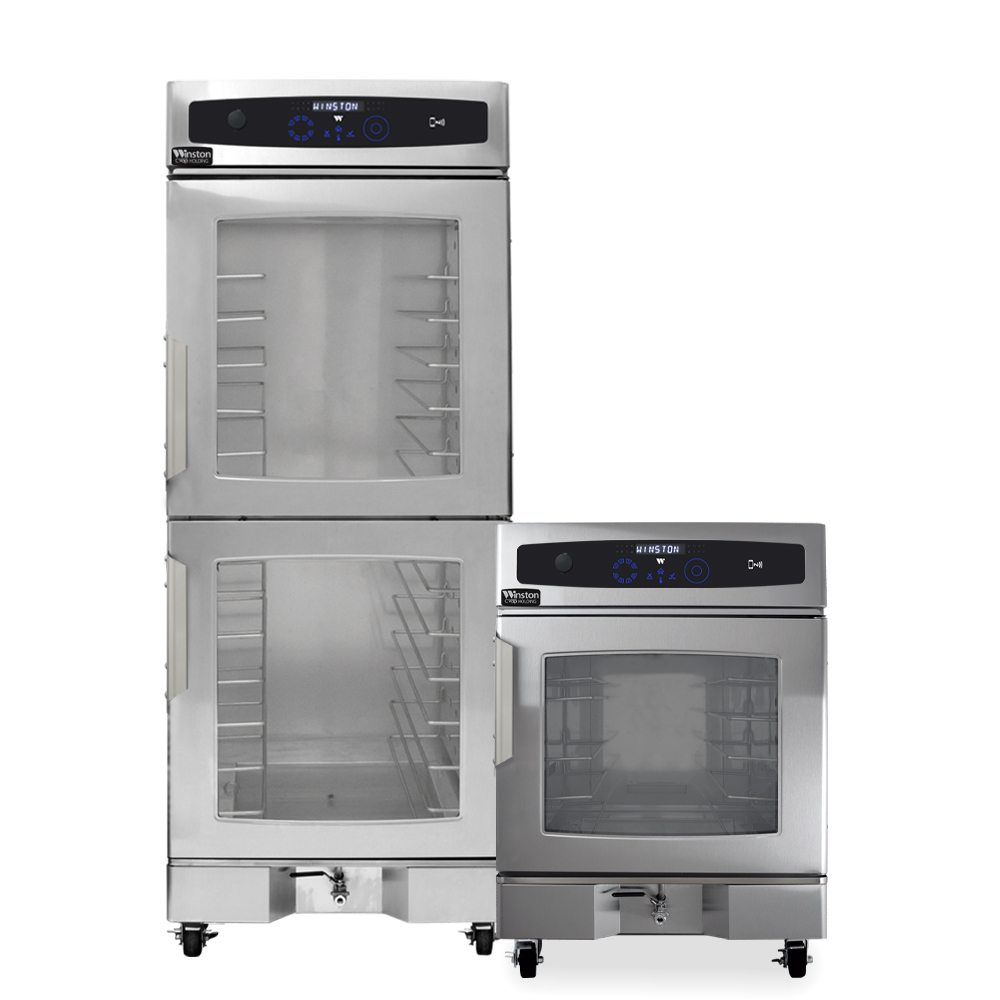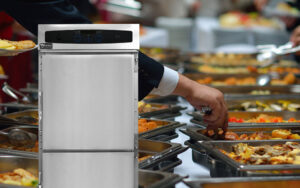
Water is one of the most important ingredients in a CVap oven. It is also one of the most overlooked.
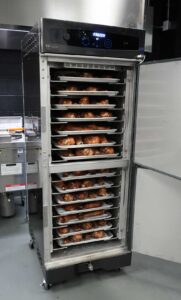
CVap technology relies on water vapor to control food temperature with precision. That vapor environment is what allows operators to cook, hold, and retherm food without drying it out. It is the reason prime rib stays juicy, fried chicken holds its crispness, and proteins maintain their yield.
But the same water that makes CVap technology so effective can also affect performance if it is not properly managed.
What Happens to Water Inside a CVap Oven
When water heats inside the evaporator, it turns into vapor and creates a controlled humidity environment around the food. As water evaporates, the dissolved minerals remain behind.
Over time, those minerals become more concentrated.
If the evaporator is not cleaned regularly, mineral buildup can develop. This buildup may eventually:
- Create scale deposits in the evaporator.
- Cause discoloration or staining on stainless steel surfaces.
- Affect heating performance
- Increase the risk of contamination in the water reservoir.
This is why daily cleaning and proper water management are essential parts of operating any CVap oven.

Why Stainless Steel Still Needs Protection
Every CVap oven is built with high-quality stainless steel. Stainless steel is durable and corrosion-resistant, but it is not immune to damage.
Minerals in water, particularly calcium, magnesium, and chlorides, can, over time, attack stainless steel surfaces. When mineral concentrations build up, they may lead to staining, pitting, or corrosion.
Preventing mineral buildup is the best way to protect both the equipment and the food environment inside the oven.
A Simple Daily Step That Helps
One simple step many operators take is adding a small amount of acid to the evaporator water.
A tablespoon of white vinegar or lemon juice can help neutralize minerals and reduce scaling. This small step can make daily cleaning easier and help prevent mineral deposits from forming.
However, depending on your local water quality, additional treatment may be beneficial.

Understanding Your Water Supply
Water quality varies widely across the United States. Some areas have soft water with low mineral content. Others have very hard water with high levels of dissolved minerals.

If your facility has hard water, you may notice scale buildup more quickly. In those cases, installing a water treatment system can help protect your equipment.
Common treatment options include:
Sediment filtration
Removes suspended particles that cause cloudiness and debris in water.
Carbon filtration
Removes chlorine, odors, organic compounds, and additional sediment.
Water softening
Uses ion exchange to remove calcium and magnesium, which cause hard water scale.
Phosphate treatment
Uses ion exchange to remove calcium and magnesium, which cause hard water scale.
Reverse osmosis
A highly effective purification process that removes most dissolved minerals and salts from water.
Each method addresses different water quality concerns, and the best solution often depends on your local water supply.
Protecting the Performance of Your CVap Oven
CVap ovens are designed to deliver precise temperature control and consistent food quality. Maintaining clean water and keeping the evaporator free of mineral buildup helps ensure the system performs as designed.
Operators who maintain their equipment properly often see:
- More consistent cooking and holding performance
- Longer equipment lifespan
- Reduced maintenance issues
- Better food quality and yield
Protecting the Performance of Your CVap Oven
The most important step is also the simplest.
Clean the evaporator and interior surfaces of your CVap oven every day. This removes mineral residue before it can build up, keeping the water environment clean.
Water is the foundation of CVap technology. Taking care of that water ensures your oven continues delivering the consistent results it was built to provide.